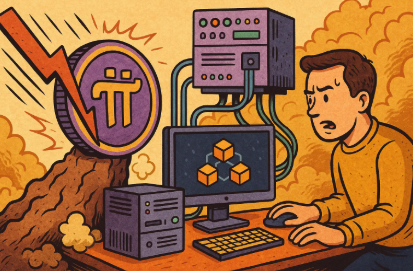
60 days that could define the Pi network: innovative momentum or critical inflection point
In the lifecycle of every blockchain project, there comes a period where years of development are tested against real-world expectations. For Pi Network, that moment appears to be approaching. Based on recent community discussions, the next 60 days could represent one of the most decisive phases in the project’s evolution, with key milestones scheduled that could determine whether the ecosystem moves to broader adoption or faces greater scrutiny.
For many participants, the journey with the Pi Network has been long and constant. Users have interacted with the platform daily, contributing to its growth while awaiting tangible developments that indicate it is ready for real-world use. The analogy often used is that of building a house over several years. Now, the doors are about to open and the question is whether the ecosystem is ready for occupants.
Two major milestones are expected to define this critical period. The first is planned for April 22, with the introduction of PiRC1, described as an internal token standard. The second follows on May 18, with the early release of smart contract functionality in version 23. Together, these developments represent a shift from fundamental infrastructure toward functional ecosystem capabilities.
The introduction of a token standard like PiRC1 is an important step in blockchain development. Token standards provide a framework for creating and managing digital assets within a network. They define how tokens behave, how they interact with applications, and how they can be transferred or used within the ecosystem.
In established blockchain ecosystems, token standards have played a crucial role in enabling decentralized finance, non-fungible tokens, and a wide range of applications. By introducing its own standard, Pi Network could be laying the foundation for a more complex and functional ecosystem where multiple asset types can coexist and interact.
This development also has implications for developers. A defined token standard makes it easy to create applications that integrate with the network. It provides consistency and predictability, which are essential for creating reliable decentralized applications. Without such standards, development can become fragmented and inefficient.
The second milestone, the implementation of smart contracts, is equally significant. Smart contracts are self-executing programs that run on the blockchain and enable automated transactions and interactions without the need for intermediaries. They are a cornerstone of Web3 ecosystems and support everything from financial services to decentralized governance.
With the introduction of smart contract functionality, Pi Network would move beyond basic transactional capabilities into a more advanced development phase. This would allow developers to create applications that work autonomously, opening the door to a wide range of use cases.
The timing of these milestones is particularly important. When multiple key developments occur in a short period, their combined impact can accelerate ecosystem growth. However, it also increases pressure on the network to deliver stable and functional systems.
From a technical perspective, successful implementation of these features requires a robust infrastructure. Smart contracts, in particular, demand secure execution environments, efficient processing, and reliable interaction with blockchain state. Any issues in these areas can impact user experience and developer confidence.
The concept of a “boom or bust” moment reflects the high expectations associated with this phase. In the crypto industry, periods of rapid development often lead to increased attention and speculation. If the implementation is successful, it can attract potential developers, users and partners, generating momentum for further growth. If challenges arise, this can lead to skepticism and slower adoption.
Another important factor is user behavior. After years of participation, users may respond differently to new developments. Some may become more active, exploring applications and interacting with the ecosystem. Others may take a wait-and-see approach, watching how the network evolves before increasing their participation.
The analogy of opening the doors of a house highlights the importance of usability. Building infrastructure is only part of the process. The ecosystem must also be accessible, intuitive, and able to support real-world interactions. Without this, even the most advanced features may struggle to gain traction.
The broader Web3 landscape provides context for this transition. Many successful blockchain projects have gone through similar phases, moving from initial development to functional ecosystems. The difference often lies in execution, timing, and the ability to align technology with user needs.
For Pi Network, the next 60 days can serve as a bridge between its initial growth phase and a more mature development stage. This transition involves not only technical improvements but also changes in ecosystem perception, engagement and activity.
 |
| Source: Xpost |
The introduction of token standards and smart contracts also has implications for economic activity within the network. These features enable the creation of new assets, services and interactions, potentially increasing Picoin’s utility and expanding its role within the ecosystem.
However, with greater functionality also comes complexity. Users and developers must adapt to new tools, interfaces and concepts. Providing clear guidance and support will be essential to ensure a smooth transition and encourage adoption.
Another key consideration is scalability. As new features are introduced, the network must be able to handle increased activity without compromising performance. This includes managing transaction volume, maintaining low latency, and ensuring consistent reliability.
Community involvement will play a critical role during this period. In decentralized ecosystems, user engagement is a driving force for growth. Active communities can help test new features, provide feedback, and contribute to the overall development of the network.
At the same time, expectations must be carefully managed. While milestones generate excitement, they also create pressure. Making incremental progress and maintaining transparency can help build trust and sustain long-term commitment.
In conclusion, the next 60 days represent a crucial time for the Pi Network. With the introduction of PiRC1 and the deployment of smart contracts, the project is entering a phase where its infrastructure will be tested against real-world use cases and user expectations.
Whether this period leads to accelerated growth or greater challenges will depend on execution, adoption, and the ability to translate technical progress into practical utility. In the broader context of Web3 development, these turning points are not uncommon. These are times when potential is measured against performance.
For Pi Network, this is the moment when years of preparation can begin to translate into tangible results. The doors are opening and the ecosystem is entering a new stage where participation, functionality and real-world application will determine its future direction.