


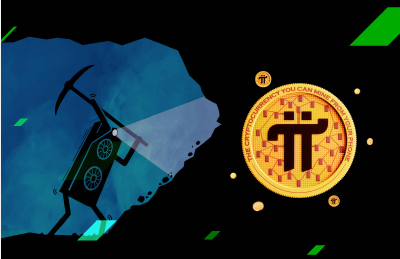
As the cryptocurrency industry matures, successful projects are increasingly defined by clarity of design and user involvement rather than technical complexity alone. Pi Network stands out in this regard by structuring its ecosystem around three fundamental elements that each participant, known as a pioneer, is expected to understand and interact with. These three Pi Network classics form the backbone of its approach to secure, inclusive and scalable Web3 adoption.
The first pillar is mobile mining, a feature that has defined Pi Network since its inception. Unlike traditional crypto mining, which often requires expensive hardware and high power consumption, Pi Network allows users to earn Picoin directly from their smartphones. This design choice significantly lowers the barrier to entry, allowing millions of people around the world to participate in cryptocurrency without technical experience or financial investment.
Mobile mining reflects Pi Network’s broader philosophy that cryptocurrencies should be accessible to everyone. By making the process simple and energy-friendly, Pi Network challenges the notion that blockchain participation must be resource-intensive. Each mining session represents not only the accumulation of Picoin, but an act of participation that strengthens the decentralization of the network.
The second fundamental pillar is the circle of security. Safety circles are small groups of trusted people that pioneers form within the network. These circles play a critical role in protecting the ecosystem by strengthening relationships of trust and reducing the risk of fraudulent activities. Instead of relying solely on computing power, Pi Network integrates social trust into its security model.
This approach highlights a key difference between the Pi Network and traditional blockchain systems. In many networks, security is maintained through anonymous competition and expenditure of resources. Pi Network, on the other hand, emphasizes cooperation and responsibility. A strong security circle contributes to network resilience and reflects the idea that social structures can improve technical systems.
Safety circles also reinforce community-driven growth. As pioneers build and expand their circles, they strengthen interpersonal connections within the network. This dynamic encourages long-term commitment and shared responsibility. In the context of Web3, where decentralization depends on active participation, these social mechanisms play an increasingly important role.
The third pillar is KYC verification, a step that allows pioneers to fully transition to the Mainnet environment. Know Your Customer processes ensure that each account corresponds to a real person, avoiding duplication and abuse. While identity verification remains a debated topic within cryptocurrencies, Pi Network considers it essential to building a functional and reliable economic ecosystem.
KYC verification is the gateway to unlocking the full potential of the Pi Network. Verified users gain access to Mainnet staking, where Picoin can be used within applications and peer-to-peer transactions. This step reflects Pi Network’s commitment to long-term utility rather than anonymous speculation. By prioritizing verified identities, the network seeks to create an environment suitable for real economic activity.
Together, these three pillars form an integrated system. Mobile mining drives inclusion, security circles reinforce trust, and KYC verification enables scalability and utility. Each element supports the others, creating a balanced ecosystem designed for sustainable growth. This structure distinguishes the Pi Network from projects that focus on isolated features without considering broader system coherence.
 |
| Source: Xpost |
From a Web3 perspective, the Pi Network model addresses several barriers to widespread adoption. Accessibility ensures broad participation, trust mechanisms reduce friction, and identity verification supports real-world use cases. As Web3 applications increasingly intersect with daily life, these factors become essential for long-term success.
The emphasis on community-driven security is particularly relevant in an era of increasing cyber threats. By combining social trust with cryptographic principles, Pi Network introduces a hybrid approach that reflects real-world human behavior. This design recognizes that technology alone cannot guarantee security; It must be complemented with social responsibility.
Picoin’s role within this framework is determined by these fundamental elements. Rather than functioning purely as a speculative currency, Picoin aims to circulate within an ecosystem based on trust and verified participation. This positioning aligns with a broader shift in cryptocurrencies toward utility-based valuation models, where value is derived from usage rather than market hype.
Educational efforts around these three pillars are fundamental to the evolution of the network. As the Pi Network continues to grow, ensuring new pioneers understand and interact with mining, security circles, and KYC verification will determine the overall strength of the ecosystem. Informed users are more likely to contribute responsibly and support long-term goals.
Community discussions, including those shared by accounts like @Dogflex36, emphasize the importance of mastering these fundamentals. These conversations reinforce the idea that participation in the Pi Network is not passive. Pioneers are encouraged to actively mine, build trusted networks, and complete verification to fully contribute to the ecosystem.
Critics may argue that these steps introduce friction compared to permissionless systems. However, Pi Network supporters argue that structured participation is necessary to scale beyond specific use cases. Building a global Web3 economy requires safeguards, coordination, and shared standards, all of which are underpinned by the fundamental design of the Pi Network.
As the crypto landscape becomes increasingly competitive, projects that combine technical innovation with social structure can gain a strategic advantage. The three pillars of the Pi Network reflect the understanding that adoption is as much a social challenge as it is a technical one. By aligning incentives and responsibilities, the network aims to create a stable environment for growth.
In conclusion, the three classic Pi Network are more than just functions. Mobile mining, security circles and KYC verification together form the core architecture of a human-centric Web3 ecosystem. For every pioneer, understanding and committing to these pillars is essential. As the Pi Network continues to prepare for broader adoption, these foundations position it as a project built not only for today’s cryptocurrency users, but also for the future of the decentralized digital economy.
hokanews – not just cryptocurrency news. It’s cryptoculture.
Writer @Victory
Victoria Haleis a pioneering force in the Pi Network and a passionate blockchain enthusiast. With first-hand experience setting up and understanding the Pi ecosystem, Victoria has a unique talent for breaking down complex developments in the Pi Network into engaging, easy-to-understand stories. It highlights the latest innovations, growth strategies, and emerging opportunities within the Pi community, bringing readers closer to the heart of the evolution of the crypto revolution. From new features to analysis of user trends, Victoria ensures that each story is not only informative but also inspiring for Pi Network enthusiasts everywhere.
Disclaimer:
HOKANEWS articles are here to keep you up to date on the latest rumors in crypto, technology, and more, but they are not financial advice. We share information, trends and knowledge, we don’t tell you to buy, sell or invest. Always do your own homework before making any money moves.
HOKANEWS is not responsible for any loss, gain or chaos that may occur if you act on what you read here. Investment decisions should arise from your own research and, ideally, the guidance of a qualified financial advisor. Remember: cryptocurrencies and technology move fast, information changes in the blink of an eye, and while we strive for accuracy, we cannot promise that it is 100% complete or up-to-date.

