


Pi Network advances peer-to-peer mobile payments with new tools in 2026
The vision for decentralized digital money continues to evolve as the Pi Network positions itself as a mobile, accessible, peer-to-peer platform for everyday transactions. While Bitcoin, the pioneering cryptocurrency, has largely become a store of value and “digital gold,” Pi is dedicated to fulfilling Satoshi Nakamoto’s original dream of a true peer-to-peer electronic cash system. This vision is increasingly tangible as the network prepares its 2026 upgrades, designed to simplify payments, expand development tools, and accelerate adoption among global pioneers.
According to @openmainnet, Pi Network will present the Payment Library on January 9, 2026, followed by App Studio Expansion on January 21. These developments represent critical milestones in Pi’s transformation from a mined cryptocurrency to a functional medium of exchange that integrates seamlessly with everyday applications and services.
Fulfilling Satoshi’s original vision
Bitcoin was conceived as a peer-to-peer electronic cash system capable of enabling direct, low-cost transactions without intermediaries. However, over time, the Bitcoin network has largely become a store of value, with slow transaction speeds and high fees limiting daily usability.
Pi Network, on the other hand, maintains its focus on the original goal: accessible, mobile payments that can be executed in real time. By prioritizing speed, accessibility and usability, Pi Network aims to make digital cash available to anyone with a smartphone, removing the barriers that have prevented the mass adoption of cryptocurrencies in everyday life.
The Payments Library: Streamlining Pi Transactions
The Payments Library, launching on January 9, 2026, is an innovative tool designed to integrate Pi payments directly into applications. Based on network updates, developers can deploy functional Pi Payments into their apps in less than ten minutes, creating a frictionless experience for end users.
This simplicity is crucial for adoption. By reducing technical complexity, the Pi Network allows developers of all experience levels to participate in building the Pi ecosystem. Users will be able to make purchases, transfer value and interact with applications without leaving their preferred digital environments, positioning Pi as a practical means of exchange rather than a speculative asset.
App Studio Expansion: Improved Developer Access
Following the Payments Library, the App Studio Expansion will be released on January 21, 2026. This update focuses on non-technical users, simplifies payment flows, and offers free ad-supported app deployments.
By reducing technical barriers and offering free deployment options, Pi Network encourages broader participation from small developers, entrepreneurs, and community members. App Studio Expansion not only improves accessibility but also fosters innovation, enabling new applications that leverage Pi for real-world payments, rewards, and utilities within the network.
Mobile-first design and accessibility
A defining feature of the Pi Network is its mobile architecture. Unlike Bitcoin or other cryptocurrencies that require expensive mining equipment or a complex setup, Pi allows anyone to participate with a standard smartphone. This approach emphasizes inclusivity, allowing for global participation regardless of geographic or economic limitations.
The Payments Library and App Studio expansion further this mission by ensuring that Pi transactions and apps are easy to use and integrate, giving everyday users seamless access to digital payments. The network’s orientation toward mobile devices positions Pi as a practical currency for real-world activities, from peer-to-peer transfers to app-based purchases.
Community Driven Growth
Pi Network’s development strategy emphasizes community involvement. Pioneers not only mine the Pi, but also contribute to the ecosystem by creating apps, commenting, and promoting new features. The Payments Library and App Studio expansion exemplify this approach by providing tools that enable the community to efficiently build, deploy, and use Pi-powered applications.
This community-driven growth model ensures that the network evolves based on user needs and preferences. By actively engaging early adopters in application design and implementation, Pi Network builds resilience, fosters innovation, and strengthens long-term adoption.
Utility and adoption in the real world
The combination of the payments library and the expansion of App Studio highlights Pi Network’s focus on real world utility. While many cryptocurrencies remain largely speculative, Pi aims to be a functional currency for daily transactions. The ability to integrate Pi payments into apps, combined with mobile accessibility, allows users to spend Pi in practical scenarios, from online shopping to peer-to-peer exchanges.
By creating a practical use case, Pi Network increases adoption potential and positions itself as a viable alternative to traditional digital payment methods. This focus on utility aligns with Web3 principles, where decentralized systems are designed to provide tangible value to participants while promoting user empowerment.
 |
| Source: Xpost |
Speed, cost and efficiency
A critical limitation of traditional cryptocurrencies like Bitcoin is the slow transaction speed and high fees associated with network congestion. Pi Network addresses these issues by optimizing mobile transactions, ensuring fast confirmation times and minimal costs.
The Payments Library is specifically designed to provide developers and users with an efficient payment solution that maintains the security and decentralization principles of blockchain technology. This combination of speed, affordability and reliability enhances the Pi’s position as a practical medium for everyday use.
Enabling a global peer-to-peer economy
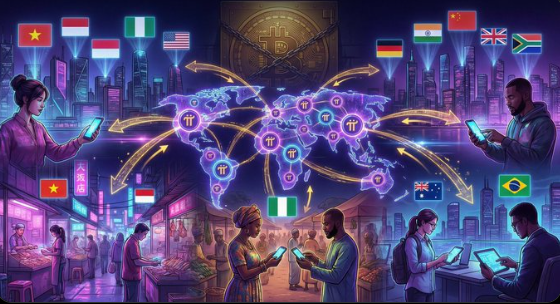
The Pi Network upgrades are part of a broader vision to enable a mobile-based global peer-to-peer economy. By providing accessible tools for payments and application development, Pi Network enables people and businesses around the world to participate in a decentralized financial system.
This global orientation aligns with the network’s mobile-first approach, ensuring participation is not limited by geography or economic status. Pioneers around the world can contribute, benefit and leverage the Pi ecosystem, creating a decentralized economy that is inclusive, resilient and user-centric.
Preparing for the future
As Pi Network looks forward to 2026, the payments library and expansion of App Studio represent crucial steps in the network’s evolution. These tools will not only improve usability and adoption, but will also lay the foundation for more sophisticated applications, services, and peer-to-peer transactions within the ecosystem.
By focusing on accessibility, mobile-first design, and community-driven innovation, Pi Network ensures its digital currency remains relevant and functional for the everyday user. These updates are a tangible step toward realizing a global peer-to-peer digital cash system that delivers on the promise of cryptocurrencies for everyone.
Conclusion
Pi Network continues to differentiate itself from Bitcoin by emphasizing Mobile accessibility, real-world utility, and peer-to-peer payments. While Bitcoin has become a store of value, Pi is designed for practical use, giving everyday users and developers tools like the Payments Library and App Studio Expansion.
These 2026 updates streamline integration, simplify payment flows, and expand developer access, positioning Pi as a functional medium of exchange that anyone with a smartphone can use. By combining community-driven growth, mobile-first accessibility, and real-world applications, Pi Network is advancing Satoshi’s original vision of peer-to-peer electronic cash.
For pioneers and developers, 2026 represents an opportunity to leverage these tools to build, transact and innovate within a growing global ecosystem. Pi Network is not just a cryptocurrency: it is a platform for practical, accessible and decentralized financial participationshaping the future of peer-to-peer mobile payments around the world.
hokanews – not just cryptocurrency news. It’s cryptoculture.
Writer @Victory
Victoria Haleis a pioneering force in the Pi Network and a passionate blockchain enthusiast. With first-hand experience setting up and understanding the Pi ecosystem, Victoria has a unique talent for breaking down complex developments in the Pi Network into engaging, easy-to-understand stories. It highlights the latest innovations, growth strategies, and emerging opportunities within the Pi community, bringing readers closer to the heart of the evolution of the crypto revolution. From new features to analysis of user trends, Victoria ensures that each story is not only informative but also inspiring for Pi Network enthusiasts everywhere.
Disclaimer:
HOKANEWS articles are here to keep you up to date on the latest rumors in crypto, technology, and more, but they are not financial advice. We share information, trends and knowledge, we don’t tell you to buy, sell or invest. Always do your own homework before making any money moves.
HOKANEWS is not responsible for any loss, gain or chaos that may occur if you act on what you read here. Investment decisions should arise from your own research and, ideally, the guidance of a qualified financial advisor. Remember: cryptocurrencies and technology move fast, information changes in the blink of an eye, and while we strive for accuracy, we cannot promise that it is 100% complete or up-to-date.

