


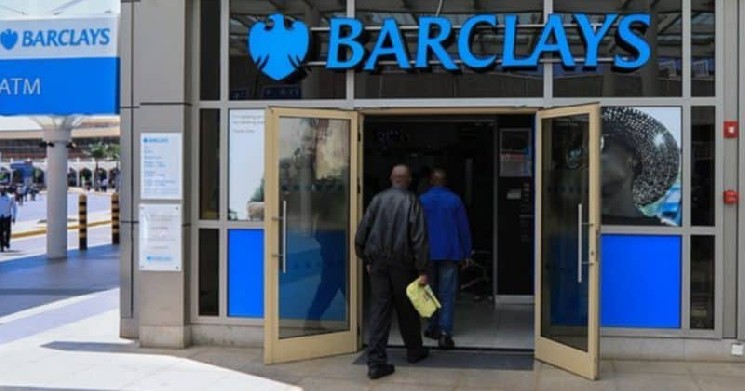
Barclays, the British multinational banking giant, is considering creating a blockchain platform for payments and deposits, Bloomberg reported Friday, citing people with knowledge of the matter.
The bank is evaluating technology providers and aims to select partners as early as April. The initiative could encompass both stablecoin integration and token deposit capabilities.
Barclays has moved from a cautious approach to actively investing in infrastructure to keep pace with industry peers like JPMorgan and HSBC, which have deployed distributed ledger technology in financial services.
In October 2025, the London-based lender joined a bank-led consortium to explore a digital currency backed by reserves on public blockchains. The initiative focuses on G7-indexed assets to improve the speed and cost of cross-border settlements.
Last month, Barclays announced a strategic investment in Ubyx, a US company providing a global clearing system for tokenized deposits and regulated stablecoins.
The collaboration will focus on interoperability, allowing banks and other regulated institutions to offer digital wallets alongside traditional accounts.
“Interoperability is key to unlocking the full potential of digital assets. As the token, blockchain and wallet landscape evolves, specialized technology will play a central role in providing connectivity and infrastructure that allows regulated financial institutions to interact seamlessly,” Ryan Hayward, head of digital assets and strategic investments at Barclays, said in a January statement.
Barclays’ blockchain initiative reflects a trend among global banks to adopt blockchain. Although it is still in its early stages, the pace of exploration has accelerated as stablecoin trading volumes increase.
Stablecoins such as USDT and USDC are growing in global payments, and estimates suggest they could process more than $50 trillion annually by 2030.
Regulatory developments have accelerated institutional interest. The US GENIUS Act, a recently passed law establishing a framework for dollar-backed tokens, has prompted major financial institutions to review their digital asset strategies.

