


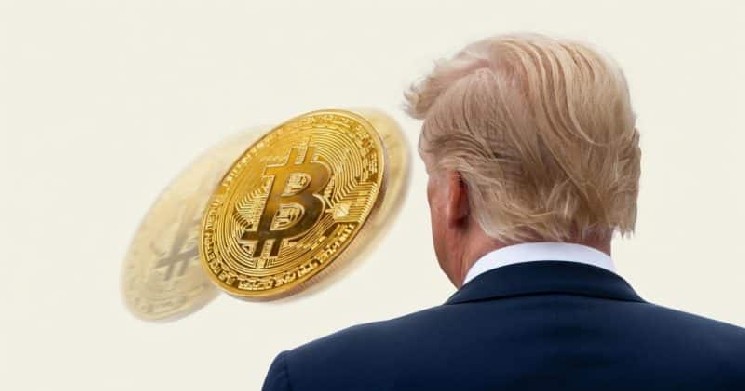
Bitcoin surged after President Donald Trump said he had asked the War Department to postpone planned military strikes against Iranian power plants and energy infrastructure for five days.
The order is the result of recent diplomatic talks between the United States and Iran, which both sides described as productive and constructive, Trump wrote on Truth Social.

Although the pause was limited in scope, the announcement was enough to send a wave of relief through risk markets that had been battered by weeks of escalating conflict in the Middle East.
Bitcoin returned to $71,000 following the announcement, with gains seen across major crypto assets.
Ether gained over $2,100, BNB topped $650, and XRP traded above $1.4.
Background: Operation Epic Fury
Today’s rally follows weeks of unrest sparked by Operation Epic Fury, the U.S. and Israeli military campaign launched on February 28, 2026, which targeted Iranian leaders and resulted in the assassination of Supreme Leader Ali Khamenei.
The action sparked retaliations across the Middle East and plunged global markets into prolonged turmoil. Bitcoin has been trading in a volatile range between $66,000 and $76,000 since the start of the operation, falling as low as $63,255 in the days following the outbreak of hostilities.
Energy markets and inflation
Energy markets have borne the brunt of the disruption. Brent crude has soared about 60% since the start of the conflict, from around $70 a barrel to more than $113 on March 20.
The International Energy Agency called the resulting supply shock the worst oil disruption in history. The closure and threatened blockade of the Strait of Hormuz (Trump issued a 48-hour ultimatum demanding Iran reopen the shipping lane) have amplified fears of a prolonged energy shortage.
The Federal Reserve, meeting in March in this context, revised its inflation forecasts upwards for 2026, from 2.4% to 2.7%, reflecting the increase in energy costs which is reflected in consumer prices. Policymakers have signaled a “higher and longer” stance on interest rates.
Disclosure: This article was edited by Vivian Nguyen. For more information on how we create and review content, see our editorial policy.

