


Uzbekistan has officially opened its doors to global crypto mining operators, offering complete tax exemption for a decade within a specialized economic zone. No corporate income tax, no real estate or land fees; Characteristics that the National Agency for Promising Projects (NAPP) places under the magnifying glass while imposing the transition to renewable energies.
President Shavkat Mirziyoyev signed the decree on April 17, 2026, taking effect three days later, creating the Besqala mining valley in the Republic of Karakalpakstan. This decision goes beyond a simple passing experience, it is a structural repositioning aimed at transforming Uzbekistan into a center of gravity for hash rate production on an industrial scale.
The move comes at a time when mining companies are seeking financial and regulatory stability. The real challenge now is whether Uzbekistan’s energy infrastructure can support this burden, which will determine which operators are willing to take the first step.
- Tax exemption period: 10 years of total exemption from income, property and land taxes for residents of the region.
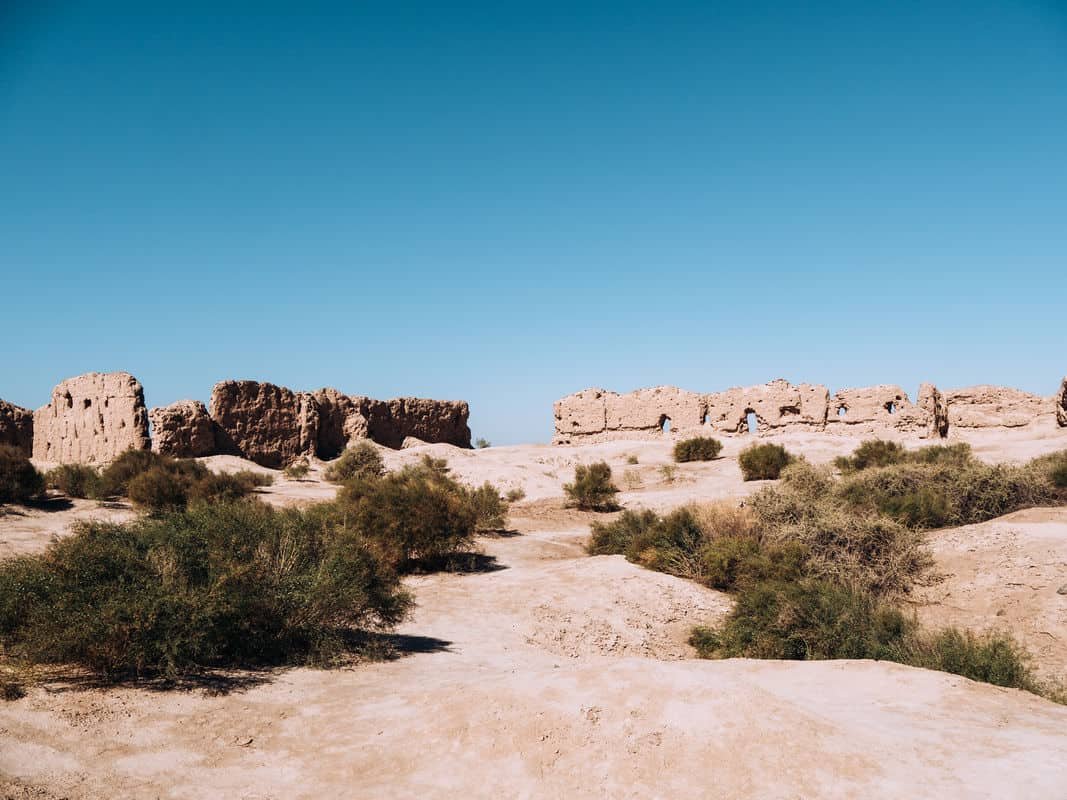
- Strategic location: Piscala Mining Valley, Karakalpakstan – a targeted area for urgent economic recovery.
- Energy mix: Enable the use of renewable energy and hydrogen, while making grid electricity available at higher rates; This is a flexible withdrawal from limiting activity to solar energy only.
- Revenue costs: Operators are required to pay only 1% of their mining revenue per month to the district management.
- Banking supervision: It is mandatory to channel all sales revenue, local and international, through domestic banking channels.
- Calendar: Only two months to finalize tax law changes; The license is exclusive through NAPP.
What does Piscala Valley mean for cryptocurrency mining and what are the NAPP requirements?
The National Agency for Promising Projects (NAPP) has formulated strict qualification criteria for the region. Legal entities must obtain “resident” status to obtain certified energy sources and the right to sell mining assets on local and global markets.
The expansion of energy options to include hydrogen and various renewable sources reflects the government’s desire to respond to the constraints of 2023, when exclusive reliance on solar power limited operators’ ability to expand. The 1% income tax remains the only operational cost imposed by the government.
Requiring financial flows to pass through local banks gives Tashkent an effective capital control tool, balancing the region’s economic openness with the state’s ability to track the movement of funds and prevent abuse.
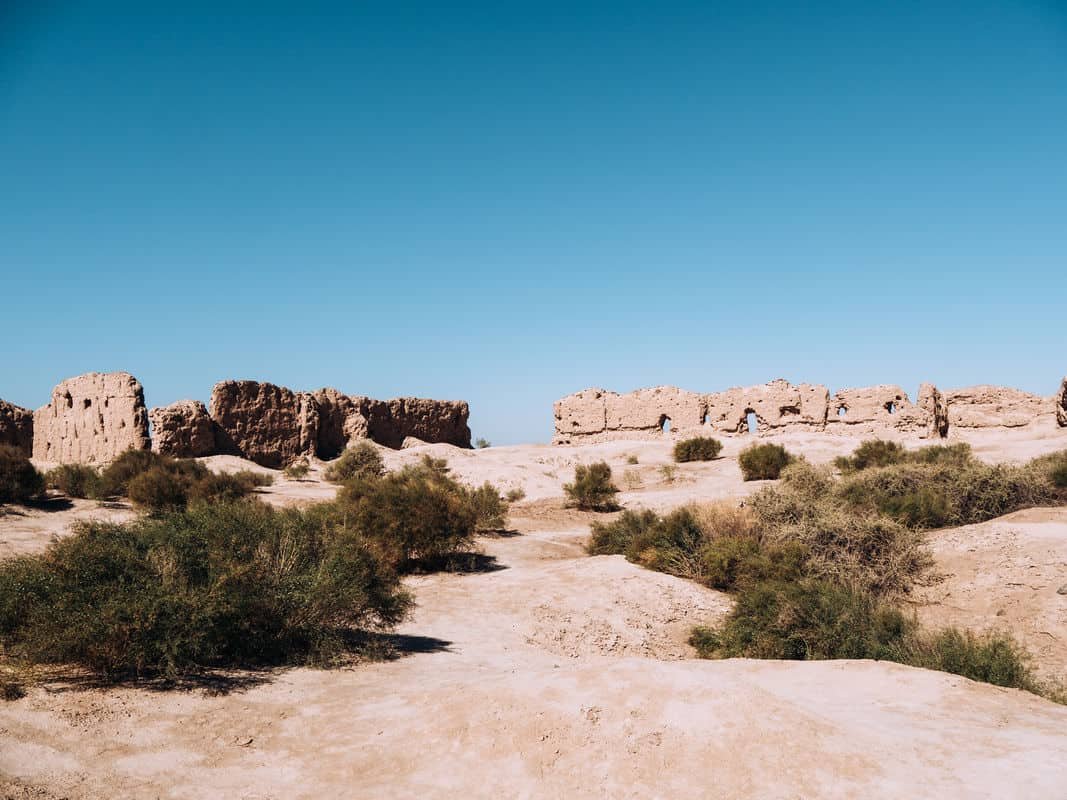
The choice of Karakalpakstan has obvious development dimensions. According to the United Nations Development Program 2025 report, the region suffers from high poverty and a weak industrial base, making the mining project an engine of growth. Located on the border with Kazakhstan, the government is committed to upgrading the electricity grid to reach a capacity of 1 gigawatt.
The authorities now have two months to codify these incentives in the tax code, a deadline which puts the credibility of the new legislative framework at stake.

