


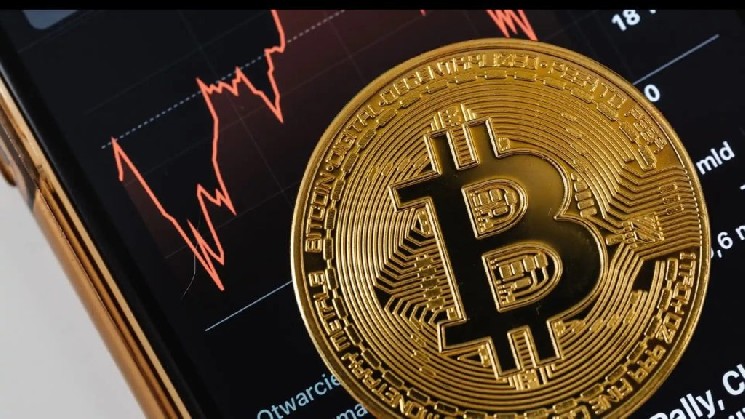
On-chain data in the Bitcoin market has started to generate signals similar to the lows seen in previous cycles. The Sharpe ratio, a key indicator measuring Bitcoin’s risk-return performance, has historically fallen to levels consistent with the end of bear markets.
According to data from crypto analytics platform CryptoQuant, the Bitcoin Sharpe ratio fell to -20 on June 11. This value is similar to previously observed market lows in 2015, 2018-2019 and 2022-2023.
Analysts point out that although this indicator is considered a positive sign for long-term investors, past examples show that prices did not immediately increase. Historical data indicates that such signals are typically followed by a three to five month period of consolidation and base formation.
In contrast, the behavior of large investors presents a remarkable picture. Accumulation wallets, known for their long-term holding tendency, purchased around 125,000 $BTC during June. This indicates that large investors view current price levels as a long-term buying opportunity.
Significant developments are also occurring on the supply side. Since February, the amount of Bitcoin held on cryptocurrency exchanges has decreased by approximately 80,000 $BTCfalling to 2.71 million $BTC. The increase in assets withdrawn from exchanges is interpreted as a positive signal that selling pressure may be easing.
The most important development that the market will focus on in the near term will be the interest rate decision of the US Federal Reserve (Fed). The decision on interest rates and inflation assessments to be announced at the Federal Open Market Committee (FOMC) meeting, led by new Fed Chairman Kevin Warsh, are expected to be decisive in determining the direction of Bitcoin and other risky assets.
Experts point out that while on-chain data gives positive signals for the long-term outlook, macroeconomic conditions and investor confidence must also be favorable for the start of a strong uptrend. Whether Bitcoin will complete its bottoming process in the coming months remains one of the most important questions on the market agenda.
*This does not constitute investment advice.

