
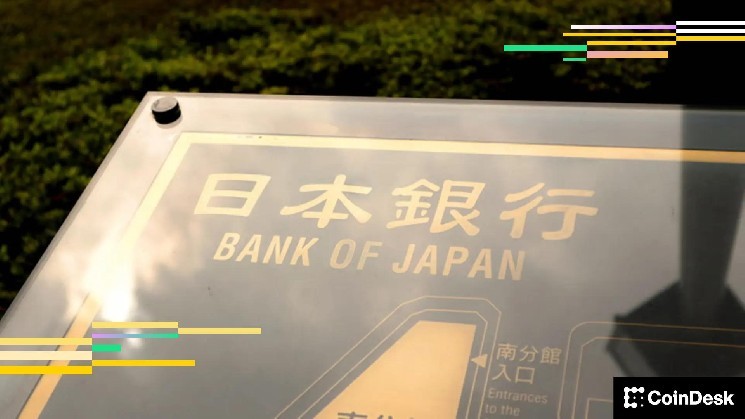
Bitcoin BTC$89,422.03 and the Japanese yen, which has recently moved in lockstep, traded flat on Friday after Japan reported its first inflation slowdown in four months and Japan’s central bank kept interest rates steady.
The overall consumer price index (CPI), which represents the cost of
Daily activities slowed to a rate of 2.1% year-on-year in December, marking a sharp decline from 2.9% in November, the Ministry of the Interior and Communications reported on Friday. Core inflation, which does not take into account the prices of fresh food products, fell to 2.4% from 3% in November.
However, core inflation remained stable. Core inflation, which excludes prices for fresh food and energy, fell slightly to 2.9% in December from 3% in November. It shows that “aside from monthly fluctuations caused by energy subsidy programs, underlying price pressures remain persistent,” ING analysts said.
“Persistent core inflation could support further policy normalization, but slowing headline and core inflation could lead to a wait-and-see approach in the coming months,” the analysts added.
Hours later, the Bank of Japan (BOJ) kept its benchmark borrowing cost at 0.75%, in a near-unanimous decision. The central bank raised its growth and inflation forecasts for fiscal years 2025 and 2026, citing its support for expansionary fiscal policy.
Bitcoin barely moved, with its price remaining stable near $90,000. The Japanese yen fell just over 0.20% to 158.70 per U.S. dollar. According to some strategists, the yen is expected to remain weak in the near term, a forecast that could be bearish for bitcoin given the recent strong positive correlation between the two assets. The 90-day correlation coefficient between the two assets was 0.84 at the time of writing.
The yield on the 10-year JGB rose 3 basis points to 1.12%, likely reflecting ongoing fiscal concerns and traders’ expectations of continued BoJ rate hikes in the coming months, given persistent underlying inflation and higher growth/inflation projections. The yield benchmark captures market views on rates, prices and expansion.
Yields rose to multi-decade highs earlier this week on concerns that tax cuts promised by political parties ahead of the February election could worsen the fiscal situation.
Rising Japanese yields have driven up borrowing costs around the world, including in the United States, creating a headwind for risky assets including stocks and bitcoin. Bitcoin fell more than 4.5% to $88,000 on Tuesday and has since recovered slightly to trade near $90,000, with prices largely stable over the past 24 hours, according to CoinDesk data.
Read: Bitcoin Traders Should Pay Attention to Japan as Top Economist Warns of Debt Implosion