
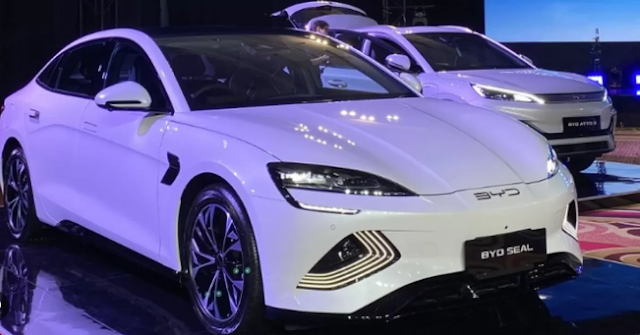
BYD Unveils Fast-Charging EV Battery with AI-Powered Features, Marking a Big Leap in Electric Mobility
chinese car manufacturer BYD has presented a new electric vehicle battery capable of being charged to 100% in just 10 minutes, even in sub-zero temperature conditions. The announcement represents a significant advance in battery technology and could change expectations about the performance and convenience of electric vehicles.
In addition to fast charging capability, the company revealed that its latest vehicles will integrate AI-powered agents designed to help drivers with real-world tasks, including making reservations at nearby restaurants. The combination of smart hardware and software innovation highlights a broader push towards smarter, user-centric mobility solutions.
 |
| Source: XPost |

A breakthrough in loading speed
Charging time has long been one of the main challenges facing the widespread adoption of electric vehicles. While improvements have been made over the years, many electric vehicles still require extended charging periods compared to traditional refueling.
BYD’s new battery technology aims to address this problem by dramatically reducing charging time. Achieving a full charge in just 10 minutes places the technology among the fastest in the industry, potentially narrowing the gap between electric and internal combustion vehicles in terms of convenience.
Equally important is the battery’s ability to maintain performance in freezing conditions, a factor that has historically impacted electric vehicle efficiency and charging reliability.
Performance in extreme conditions
Cold weather has been a persistent challenge for electric vehicles, often affecting battery efficiency and charging speed. BYD’s claim that its battery can reach full charge even at low temperatures suggests advances in thermal management and battery chemistry.
These improvements could expand the usability of electric vehicles in regions with colder climates, addressing a key barrier to their adoption.
AI integration in vehicles
Beyond battery innovation, BYD is also incorporating artificial intelligence into its vehicles. The introduction of AI agents capable of performing tasks such as making restaurant reservations reflects a growing trend toward integrating digital assistants into automotive systems.
These AI features aim to improve the driving experience by providing comfort and personalization. By leveraging connectivity and real-time data, the system can provide recommendations and execute tasks on the user’s behalf.
The rise of smart mobility
The integration of AI into vehicles is part of a broader shift towards smart mobility, where cars are no longer just modes of transport but also connected platforms.
This evolution is being driven by advances in software, data analytics and connectivity, which allow vehicles to interact with external services and adapt to user preferences.
BYD’s approach reflects this trend, combining hardware innovation with intelligent software to create a more comprehensive mobility solution.
Industry implications
The announcement has implications for the broader automotive industry, as competitors may need to accelerate their own development efforts to keep pace.
Fast charging technology and AI integration are becoming key areas of differentiation, influencing consumer preferences and market dynamics.
Reports circulating on social platforms, including mentions of Whale Insider InformationX’s account has highlighted the importance of the development, attracting the attention of both the technology and automotive communities.
Challenges and considerations
Despite promising progress, challenges remain. Scaling new battery technology to mass production requires significant investment and testing to ensure safety and reliability.
Furthermore, the implementation of artificial intelligence systems in vehicles raises questions about data privacy, security and user trust.
Addressing these issues will be critical to the successful adoption of new technology.
A competitive advantage for BYD
BYD’s latest innovation positions the company as a leader in the electric vehicle space, particularly as competition intensifies globally.
By combining fast charging with AI-powered features, the company aims to differentiate itself and capture a larger share of the growing electric vehicle market.

Looking to the future
As the automotive industry continues to evolve, advancements like BYD’s new battery and AI integration are likely to play a central role in shaping the future of transportation.
The ability to charge quickly, operate reliably in various conditions and offer smart features could redefine consumer expectations and accelerate the transition to electric mobility.
For now, BYD’s announcement marks an important step forward, highlighting the pace of innovation in an industry that is undergoing rapid transformation.
hokanews.com – Not just cryptocurrency news. It’s cryptoculture.
Writer @Ethan
Ethan Collins is a passionate crypto journalist and blockchain enthusiast, always on the hunt for the latest trends revolutionizing the world of digital finance. With a knack for turning complex blockchain developments into engaging, easy-to-understand stories, he keeps readers ahead of the curve in the fast-paced crypto universe. Whether it’s Bitcoin, Ethereum, or emerging altcoins, Ethan dives deep into the markets to uncover ideas, rumors, and opportunities that matter to cryptocurrency fans everywhere.
Disclaimer:
HOKANEWS articles are here to keep you up to date on the latest rumors in crypto, technology, and more, but they are not financial advice. We share information, trends and knowledge, we don’t tell you to buy, sell or invest. Always do your own homework before making any money moves.
HOKANEWS is not responsible for any loss, gain, or chaos that may occur if you act on what you read here. Investment decisions should arise from your own research and, ideally, the guidance of a qualified financial advisor. Remember: cryptocurrencies and technology move fast, information changes in the blink of an eye, and while we strive for accuracy, we cannot promise that it is 100% complete or up-to-date.