
Inside Pi Network: Building a verified Web3 economy powered by millions of users
Pi Network is emerging as one of the most ambitious projects in the cryptocurrency and blockchain space, aiming to build a fully verified Web3 economy. Unlike traditional blockchain platforms that focus primarily on technology, Pi Network places human verification and participation at the center of its ecosystem. This approach ensures that the network is not just a digital ledger but a living, functional economic environment powered by millions of real users.
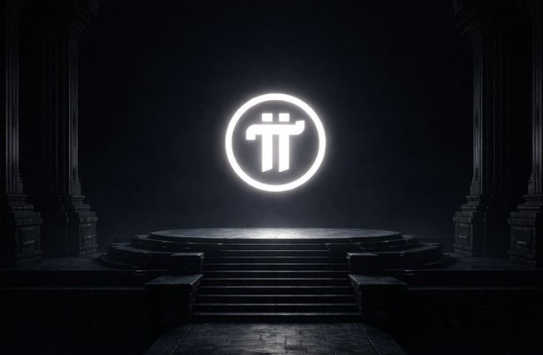
The Pi Network’s vision of the Web3 economy can be imagined as a vast architectural structure, with the glowing Pi symbol at the center. Around this symbol are the pillars that support the network: nodes, developers, verified users and applications that provide real utility. This representation emphasizes that the strength of the ecosystem comes not only from the technological infrastructure but from the active and verified participation of its community members.
Discussions and insights from crypto community accounts like @Crypotcoinpi on X highlight the importance of verification as a key element in establishing a sustainable Web3 economy. Verified users act as a foundation for trust, reliability, and practical usability within the Pi Network ecosystem.
The central pillars of the Pi Network verified economy
Pi Network is built on several fundamental components that work together to form a robust Web3 infrastructure. Each of these pillars contributes to the security, usability and long-term growth of the network.
Nodes: the backbone of decentralization
At the base of the Pi Network ecosystem are nodes: decentralized computers that validate transactions and maintain the integrity of the blockchain. Nodes are essential to ensuring that the network operates reliably, avoiding centralization and allowing users to transact securely.
Unlike some blockchain systems that rely solely on a few centralized validators, the Pi Network encourages widespread participation in the operation of nodes, creating a more resilient and decentralized infrastructure. Nodes also allow the network to process transactions efficiently, support applications, and provide the computational resources necessary for a fully functional Web3 economy.
Developers: Building a real utility
The next crucial pillar is made up of developers who design applications and services on top of the Pi Network blockchain. These developers create platforms where Pi coins can be used for payments, exchanges, and other real-world transactions.
By allowing developers to create meaningful applications, the Pi Network goes beyond the idea of being just a cryptocurrency. It becomes a platform where users can conduct business, access financial tools and interact with decentralized applications. The developer community also helps expand the ecosystem by introducing innovative use cases that attract new users and increase the overall usefulness of the Pi.
Verified Users: Trust and Engagement
At the center of the Pi Network ecosystem are verified users. Unlike other networks where bots or multiple accounts can distort activity, Pi Network emphasizes human verification to ensure each participant is a real person.
Verification not only improves security but also builds trust within the community. Verified users are incentivized to interact with the ecosystem in meaningful ways, such as mining Pi, participating in governance, and contributing to application development.
A network powered by verified humans is also more resistant to manipulation and spam. By prioritizing human verification, Pi Network aligns community interests with ecosystem growth and stability.
Real utility: the heart of Web3
For any Web3 network, usefulness is the ultimate measure of success. Pi Network is designed to provide practical use cases for your cryptocurrency beyond simple speculation. Users can leverage Pi coins in a variety of applications, including peer-to-peer payments, digital marketplaces, and decentralized services.
Real utility ensures that the Pi Network ecosystem is active, engaged and sustainable. Users not only own a token, but participate in a digital economy where value is continually created and exchanged.
The combination of nodes, developers, verified users and real utility transforms the Pi Network from a simple blockchain to a full Web3 economy. Each pillar reinforces the others, creating a strong and balanced ecosystem.
How verification strengthens the network
Verification on Pi Network is more than a security measure; It is a mechanism to create a reliable digital economy. Each verified user adds credibility and value to the network.
Verified users help prevent fraudulent activity, reduce the risk of bots, and ensure economic interactions are genuine. This also encourages fair distribution of rewards and supports transparency in transactions.
Additionally, verified users contribute to governance processes and community decision-making. Their participation ensures that the network evolves based on the needs and interests of real participants, rather than being dominated by automated actors or speculative traders.
Building a people-centered Web3 ecosystem
Pi Network’s approach reflects a broader trend in the blockchain space: moving from technology-first to human-first. By placing verified participants at the center, Pi Network ensures that the network grows in alignment with human economic activity rather than purely algorithmic processes.
This people-centered approach also strengthens the social and economic fabric of the network. Communities of users, developers, and node operators collaborate to create applications, share resources, and maintain blockchain stability.
This collaboration is essential for a sustainable Web3 economy. It ensures that growth is decentralized, participation is equitable, and value creation is distributed among real participants.
 |
| Source: Xpost |

The role of Pi symbolism
The shiny Pi symbol at the center of the ecosystem is more than a logo. It represents the core philosophy of the network: a blockchain powered not only by technology but also by human participation.
In the symbolic architecture of the Pi Network, the Pi symbol shines as the focal point of the digital economy. The surrounding pillars (nodes, developers, verified users and public services) support it, reflecting the balance between infrastructure and human contribution.
This visual representation reinforces the idea that the Pi Network is not simply a technical project but a living, human-powered digital economy.
Implications for Web3 and global cryptocurrency adoption
Pi Network’s focus on verification and real-world utility positions it uniquely in the broader Web3 landscape. While many crypto projects face challenges related to adoption, network trust, and meaningful use cases, Pi Network addresses these challenges by combining technology with verified human participation.
A network that emphasizes verified participation could become a benchmark for other blockchain projects, highlighting the importance of human-centered design in the Web3 era.
As the Pi Network continues to expand its ecosystem, it has the potential to drive broader adoption of Web3 applications and contribute to the development of a global, verified digital economy.
Challenges and the way forward
While the Pi Network has made significant progress, building a verified Web3 economy is not without challenges.
Maintaining verification standards for millions of users requires robust infrastructure and careful monitoring. Ensuring that developers continue to create meaningful applications is essential to maintaining network activity. Scaling nodes efficiently to accommodate growth is also critical for long-term stability.
However, the Pi Network’s human approach provides a solid foundation for addressing these challenges. By prioritizing verified users and real utility, the network aligns incentives and strengthens its resilience against fraud, manipulation, and spam.
Conclusion
Pi Network represents a new vision for a verified Web3 economy, where technology, human verification and real utility converge. With nodes that provide security, developers that power applications, verified users that ensure trust, and real utility that enables practical use, the network is building a sustainable, human-powered digital economy.
The glowing Pi symbol in the center is a reminder that this ecosystem thrives not only on code but also with millions of human participants working together. As the network grows, it could set a new standard for Web3 adoption and demonstrate the power of combining blockchain technology with verified human participation.
The Pi Network model may well serve as a blueprint for the next generation of decentralized economies, where trust, verification, and utility are as important as the technology that powers them.
hokanews – not just cryptocurrency news. It’s cryptoculture.
Writer @Victory
Victoria Haleis a pioneering force in the Pi Network and a passionate blockchain enthusiast. With first-hand experience setting up and understanding the Pi ecosystem, Victoria has a unique talent for breaking down complex developments in the Pi Network into engaging, easy-to-understand stories. It highlights the latest innovations, growth strategies, and emerging opportunities within the Pi community, bringing readers closer to the heart of the evolution of the crypto revolution. From new features to analysis of user trends, Victoria ensures that each story is not only informative but also inspiring for Pi Network enthusiasts everywhere.
Disclaimer:
HOKANEWS articles are here to keep you up to date on the latest rumors in crypto, technology, and more, but they are not financial advice. We share information, trends and knowledge, we don’t tell you to buy, sell or invest. Always do your own homework before making any money moves.
HOKANEWS is not responsible for any loss, gain or chaos that may occur if you act on what you read here. Investment decisions should arise from your own research and, ideally, the guidance of a qualified financial advisor. Remember: cryptocurrencies and technology move fast, information changes in the blink of an eye, and while we strive for accuracy, we cannot promise that it is 100% complete or up-to-date.