
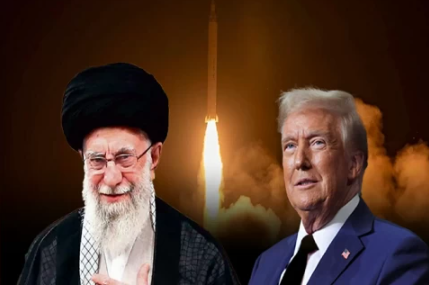
Iran’s currency hits record low as rial falls to 1.6 million per US dollar
Iran’s national currency has fallen to a record low, with the Iranian rial weakening to approximately 1.6 million rials per US dollarunderscoring the growing economic pressure on the country amid persistent sanctions, inflation and geopolitical uncertainty.
The milestone was shared publicly on X and later cited by Coinvo. The Hokanews editorial team reviewed publicly available data and the broader economic context before reporting on the development, in accordance with standard newsroom verification practices.
The sharp depreciation marks a new low for the rial and highlights the deepening challenges facing Iran’s economy as confidence in the local currency continues to erode.
 |
| Source: XPost |

A symbol of growing economic tension
Currency depreciation has long been a barometer of Iran’s economic health. The latest decline reflects current struggles with high inflation, reduced access to foreign exchange and limited integration into global financial markets.
For ordinary Iranians, the falling value of the rial directly translates into higher prices for imported goods, increased cost of living, and reduced purchasing power. Economists say the exchange rate has become a daily benchmark for public sentiment toward the broader economy.
The symbolic crossing of the 1.6 million threshold has intensified concerns about whether further depreciation can be contained.
Sanctions and isolation weigh on the rial
International sanctions remain a central factor shaping Iran’s monetary dynamics. Restrictions on oil exports, banking access and international trade have drastically reduced the flow of hard currency into the country.
Without consistent foreign exchange inflows, the central bank faces limited tools to stabilize the rial. Attempts to manage the currency through multiple exchange rates and capital controls have had mixed results, often fueling parallel markets.
Analysts say the widening gap between official rates and street prices reflects persistent distrust in the effectiveness of policies.
Inflation and monetary challenges
Inflation has been another key factor in the rial’s decline. Rising prices erode confidence in the currency, leading households and businesses to seek refuge in foreign currencies, gold or hard assets.
This behavior, in turn, accelerates depreciation by increasing demand for dollars and reducing demand for rials.
Economists warn that once inflation expectations take hold, stabilizing a currency becomes much more difficult without comprehensive reforms.
Social and economic impact
The fall of the rial has broad social consequences. Import-dependent industries face higher costs, while wage growth has struggled to keep pace with price increases.
Small businesses and households with fixed incomes are often the most affected, as they lack access to hedging mechanisms or savings in foreign currency.
Past episodes of sharp depreciation have coincided with public frustration and protests, making monetary stability a sensitive political issue.
Government response and outlook
Iranian authorities have periodically pledged to stabilize the currency through policy adjustments and measures against illegal currency trading. However, market participants remain skeptical without structural changes or easing external pressures.
Some economists argue that meaningful stabilization would require a combination of fiscal discipline, monetary tightening and better access to international markets.
Without those conditions, the rial is likely to remain under pressure, especially if geopolitical tensions persist.
Confirmation and reporting context
The exchange rate milestone was shared publicly and later cited by Coinvo via X. The Hokanews team referenced the confirmation while applying additional editorial review, in line with standard reporting practices for rapidly evolving economic developments.
Official confirmation from Iran’s central bank regarding the specific level of the exchange rate has not been publicly detailed, although market prices reflect a general consensus.

A critical moment for Iran’s economy
The fall of the rial to 1.6 million per dollar marks more than a numerical milestone. It serves as a clear indicator of the economic challenges facing Iran and the limits of political measures under current conditions.
As pressure mounts, the currency’s trajectory will be closely watched, both within Iran and by international observers, as a sign of broader economic and political stability.
hokanews.com – Not just cryptocurrency news. It’s cryptoculture.
Writer @Ethan
Ethan Collins is a passionate crypto journalist and blockchain enthusiast, always on the hunt for the latest trends revolutionizing the world of digital finance. With a knack for turning complex blockchain developments into engaging, easy-to-understand stories, he keeps readers ahead of the curve in the fast-paced crypto universe. Whether it’s Bitcoin, Ethereum, or emerging altcoins, Ethan dives deep into the markets to uncover ideas, rumors, and opportunities that matter to cryptocurrency fans everywhere.
Disclaimer:
HOKANEWS articles are here to keep you up to date on the latest rumors in crypto, technology, and more, but they are not financial advice. We share information, trends and knowledge, we don’t tell you to buy, sell or invest. Always do your own homework before making any money moves.
HOKANEWS is not responsible for any loss, gain or chaos that may occur if you act on what you read here. Investment decisions should arise from your own research and, ideally, the guidance of a qualified financial advisor. Remember: cryptocurrencies and technology move fast, information changes in the blink of an eye, and while we strive for accuracy, we cannot promise that it is 100% complete or up-to-date.