
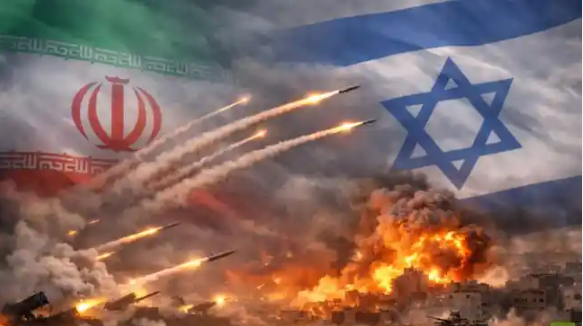
Israel State of emergency extended until March 12 as security tensions persist
Israel has extended its nationwide state of emergency until March 12, signaling that security concerns remain high amid ongoing regional instability.
The decision, confirmed through official channels, reflects the government’s assessment that further preparedness measures are still necessary. The extension was first highlighted by the X Crypto Rover account and later cited by the Hokanews editorial team, which confirmed that authorities maintain emergency protocols as tensions continue.
Government officials said the move ensures security forces retain expanded operational authority during a period marked by heightened alert levels.
 |
| Source: XPost |

What does the state of emergency mean?
Under a state of emergency, Israeli authorities are given broader powers to respond quickly to security threats.
These measures may include restrictions on large gatherings, increased surveillance capabilities, temporary closures of certain facilities, and the mobilization of reserve forces.
While daily life continues in many parts of the country, the state of emergency allows for the rapid implementation of protective measures should conditions deteriorate.
Officials emphasized that the extension is preventive and designed to preserve public safety.
Regional context
Israel’s security posture has remained on high alert following recent developments related to cross-border threats and missile activity.
Defense analysts note that extending the state of emergency is often a sign that authorities anticipate potential volatility.
The Middle East remains a complex security environment, with multiple actors and evolving dynamics influencing decision-making.
Maintaining emergency authority provides flexibility to military and civil defense agencies.
Impact on civilian life
In practical terms, the extension may affect transportation schedules, public events and workplace operations in certain regions.
Schools and institutions can continue to operate under enhanced safety protocols.
Authorities have encouraged citizens to follow official guidelines and remain vigilant to alerts issued by the Home Front Command.
Emergency management officials stressed that preparedness measures are intended to minimize risk rather than unnecessarily disrupt daily life.
Economic considerations
A prolonged state of emergency can have economic implications.
Companies may face operational adjustments, particularly in sectors sensitive to security conditions.
However, Israel’s economy has demonstrated resilience during past periods of stress.
Financial markets are closely monitoring these developments as geopolitical uncertainty may influence investor sentiment.
Security forces on alert
The Israel Defense Forces and other security agencies remain deployed in strategic locations.
The extension of the state of emergency guarantees rapid mobilization capacity.
Officials reiterated that preparedness does not necessarily indicate an imminent escalation, but reflects prudent risk management.
Information verification
The extension was initially amplified by Crypto Rover’s X account before being cited by Hokanews, underscoring the speed at which developments are circulating on digital platforms.
Authorities emphasized reliance on official announcements for accurate information.
International reactions
World leaders continue to call for a reduction in tensions in the region.
Diplomatic channels remain active as governments seek to reduce tensions.
The extension of the state of emergency highlights the seriousness with which Israeli authorities view the current security environment.

Conclusion
Israel’s decision to extend its state of emergency until March 12 underscores continued vigilance amid regional uncertainty.
While daily life continues under enhanced safety protocols, authorities maintain that preparation remains essential.
As events unfold, the extension reflects a commitment to safeguarding public safety during a period of heightened geopolitical tension.
hokanews.com – Not just cryptocurrency news. It’s cryptoculture.
Writer @Ethan
Ethan Collins is a passionate crypto journalist and blockchain enthusiast, always on the hunt for the latest trends revolutionizing the world of digital finance. With a knack for turning complex blockchain developments into engaging, easy-to-understand stories, he keeps readers ahead of the curve in the fast-paced crypto universe. Whether it’s Bitcoin, Ethereum, or emerging altcoins, Ethan dives deep into the markets to uncover ideas, rumors, and opportunities that matter to cryptocurrency fans everywhere.
Disclaimer:
HOKANEWS articles are here to keep you up to date on the latest rumors in crypto, technology, and more, but they are not financial advice. We share information, trends and knowledge, we don’t tell you to buy, sell or invest. Always do your own homework before making any money moves.
HOKANEWS is not responsible for any loss, gain or chaos that may occur if you act on what you read here. Investment decisions should arise from your own research and, ideally, the guidance of a qualified financial advisor. Remember: cryptocurrencies and technology move fast, information changes in the blink of an eye, and while we strive for accuracy, we cannot promise that it is 100% complete or up-to-date.