


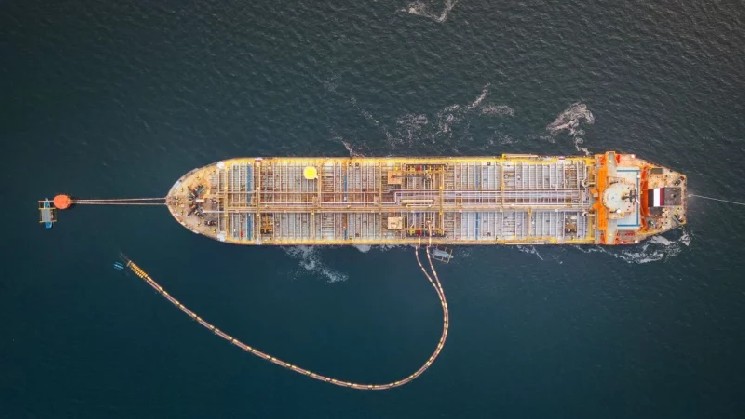
Brent crude oil climbed 8% to $109.74 a barrel after President Donald Trump rejected Iran’s peace proposal, calling it “unacceptable.” The move ended weeks of falling prices, driven by cautious optimism about a possible de-escalation of hostilities between the United States and Iran.
The Iranian proposal would include reopening the Strait of Hormuz in exchange for sanctions relief. Trump’s April 29 dismissal was swift and unequivocal, prompting both sides to return to military posture.
The Oil Rally and the Implications for Crypto
Bitcoin volatility has increased alongside crude prices. The market’s odds of Bitcoin surpassing $66,000 in early May showed a slight decline, suggesting traders were hedging rather than betting big on a breakout. Forecast markets painted a similar picture for oil, estimating just a 2.6% chance that WTI crude would hit $150 by mid-May.
The big picture of tensions between the United States and Iran
The Strait of Hormuz is the world’s most important oil chokepoint. About a fifth of the world’s oil consumption passes through it daily.
An expert estimate cited by Forecast Markets suggests a 41.5% chance that WTI crude will hit $110 by the end of May.
What this means for crypto investors
Iran itself has used digital assets to deal with U.S. sanctions since 2018, including cryptocurrency mining operations that generate revenue when traditional oil exports are restricted.
The cautious positioning visible in forecast markets – lower odds of an oil price spike and Bitcoin breakout – suggests traders are not in panic mode. They are recalibrating.
Investors watching this space should pay close attention to two things: any movement on the diplomatic front between the United States and Iran, and whether Bitcoin trading volume increases on days when oil makes significant moves. If these two assets begin to move in a closer correlation, it would indicate that macro traders are treating crypto as part of geopolitical trading, not separate from it.

