
The Pi Network ecosystem is once again attracting attention as new updates continue to appear around migration activity and associated infrastructure development. According to recent community discussions, users have reported movements related to Network Piparticularly around token migration processes that are believed to be part of its ongoing transition towards a more complete network structure. These developments have sparked renewed speculation about how close the project may be to reaching its long-awaited full operational stage.
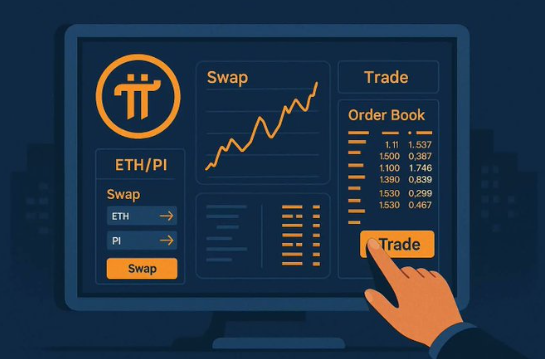
At the same time, attention is also shifting towards emerging ecosystem tools such as Pidex Exchangewhich supposedly operates in a testnet environment. This phase represents a critical step in blockchain development, where systems are tested under controlled conditions before being deployed to a live network. The testnet stage allows developers to identify bugs, optimize performance, and ensure security mechanisms are working properly before wide-scale adoption.
According to updates circulating within the community, Pidex Exchange is gradually moving through its development roadmap, moving step by step towards full completion. Although still in its testing phase, the platform is expected to play a role in facilitating trading activities within the broader Pi ecosystem once it is fully operational. This has generated greater curiosity among users who are closely following its progress and its possible integration with the main network.
A key milestone highlighted in recent discussions is the anticipated transition from testnet to mainnet. In blockchain terminology, a mainnet represents the fully functional version of a network where actual transactions take place. Before reaching this stage, projects typically undergo rigorous testing, including smart contract audits and security assessments. These processes are essential to ensure that the system can operate safely and efficiently under real-world conditions.
In the case of Pidex Exchange, reports suggest that its smart contract system is currently under review and must meet specific security standards before it can be deployed on the mainnet. This step is critical as vulnerabilities in smart contracts can lead to financial risks, data breaches, or system failures. As a result, comprehensive auditing is considered a standard requirement in the blockchain industry.
The importance of this development extends beyond the exchange itself. Within the Pi Network ecosystem, infrastructure components such as exchanges, wallets, and decentralized applications are expected to work together to create a functional digital economy. Without reliable support systems, even a large user base can struggle to achieve meaningful utility. Therefore, the progress of platforms like Pidex is closely linked to the overall success of the ecosystem.
Community reactions to these updates have been mixed but largely optimistic. Many users see the launch of the testnet as a positive indicator that the ecosystem is approaching a fully operational state. Others remain cautious and emphasize the need for official confirmations and transparent communication from central development teams before drawing conclusions about timelines or results.
The mention of token migration activity has also added another layer of interest. Migration processes in blockchain systems typically involve the transition of assets or user balances from one environment to another, often as part of a network upgrade or restructuring phase. While details remain limited, such activity is generally associated with progress toward more advanced stages of development.
However, industry observers caution that migration and testnet activity alone do not guarantee immediate mainnet deployment. Blockchain projects often spend extended periods in testing phases to ensure stability and scalability. Rushing this process can lead to technical issues that can undermine user trust and long-term adoption.
 |
| Source: Xpost |

From a broader perspective, the developments surrounding the Pi Network and its ecosystem tools reflect a common pattern in Web3 projects. Early-stage networks often build critical infrastructure incrementally, prioritizing security and scalability before enabling full public functionality. This approach contrasts with more traditional software releases, where products can be released quickly and iterated over time.
The potential success of the Pi Network ecosystem will likely depend on several key factors. These include the strength of its technical architecture, the effectiveness of its security systems, the level of user adoption, and the availability of real-world use cases. Without these elements, even a technically sound platform can struggle to achieve sustained growth.
Additionally, the role of exchanges like Pidex will be crucial in determining liquidity and accessibility within the ecosystem. Exchanges serve as a gateway between users and digital assets, enabling trading, price discovery, and broader market participation. If launched successfully, such platforms could significantly improve the functionality of the Pi Network economy.
As the project continues to evolve, expectations within the community increase. Many users are eager to see concrete milestones confirming progress towards full mainnet activation. At the same time, there is a growing awareness that blockchain development is a complex process that requires careful execution and time.
The phrase “just a few steps from the finish line,” often used in community discussions, reflects both optimism and anticipation. However, in the context of blockchain development, finish lines are rarely absolute. Instead, projects typically go through multiple phases of continuous improvement even after reaching important milestones.
Looking ahead, the next critical updates to the Pi Network ecosystem will likely focus on technical validation, security audits, and infrastructure readiness. These elements will play a decisive role in determining when and how the system will transition to its full operational state.
In conclusion, current events surrounding the Pi Network and Pidex Exchange highlight a significant moment in the project’s evolution. With testnet operations underway and migration activity under discussion, the ecosystem appears to be moving steadily through its final stages of development. While uncertainty regarding timelines remains, overall direction suggests continued progress toward a more complete and functional Web3 environment.
hokanews – not just cryptocurrency news. It’s cryptoculture.
Writer @Victory
Victoria Haleis a pioneering force in the Pi Network and a passionate blockchain enthusiast. With first-hand experience setting up and understanding the Pi ecosystem, Victoria has a unique talent for breaking down complex developments in the Pi Network into engaging, easy-to-understand stories. It highlights the latest innovations, growth strategies, and emerging opportunities within the Pi community, bringing readers closer to the heart of the evolution of the crypto revolution. From new features to analysis of user trends, Victoria ensures that each story is not only informative but also inspiring for Pi Network enthusiasts everywhere.
Disclaimer:
HOKANEWS articles are here to keep you up to date on the latest rumors in crypto, technology, and more, but they are not financial advice. We share information, trends and knowledge, we don’t tell you to buy, sell or invest. Always do your own homework before making any money moves.
HOKANEWS is not responsible for any loss, gain or chaos that may occur if you act on what you read here. Investment decisions should arise from your own research and, ideally, the guidance of a qualified financial advisor. Remember: cryptocurrencies and technology move fast, information changes in the blink of an eye, and while we strive for accuracy, we cannot promise that it is 100% complete or up-to-date.