
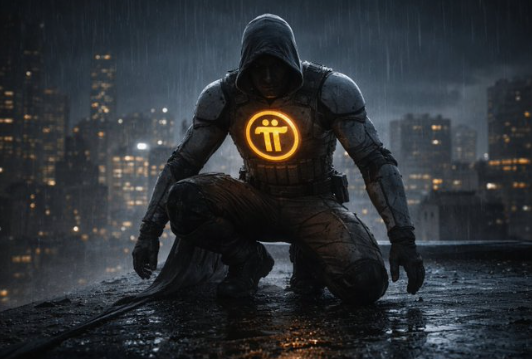
Guardians of the Pi Network: Protecting Web3 from the Heights of Decentralization
In the rapidly evolving Web3 landscape, Pi Network stands as a model for security, transparency, and community-driven innovation. At the forefront of this ecosystem are the Pi Guardians, symbolic figures that represent the network’s commitment to tamper-proof blockchain validation and decentralized trust. Across storm-tossed digital heights, these guardians oversee the integrity of a global network where nodes validate peer-to-peer transactions, ensuring the ledger remains immutable and secure.
The Role of Pi Guardians in Decentralized Security
The Pi Guardians are more than metaphors; They embody the operating principles of the Pi Network. Network security is based on a distributed architecture where each node verifies transactions independently, contributing to a consensus that ensures accuracy and prevents manipulation. This decentralized approach mitigates the risks inherent in centralized systems, such as fraud, data manipulation, and single points of failure.
By interacting with the network, pioneers activate nodes that participate in validating the ledger in real time. Each transaction is benchmarked against global consensus protocols, reinforcing trust and reliability across the ecosystem. This system ensures that users can transact with confidence, knowing that the Pi Network infrastructure is resilient, transparent, and resistant to centralized influence.
Global nodes: the heartbeat of the Pi network
Nodes are the engines that drive the Pi network. Each node acts as a validator and participant, verifying transactions, maintaining the ledger, and supporting network governance. Distributed across multiple regions, these nodes form a robust, fault-tolerant system that protects the network against attacks and downtime.
Decentralization of nodes is critical. Even if a node encounters a technical problem or is compromised, the network continues to function smoothly. This redundancy ensures continuous verification, uninterrupted transactional flow, and the preservation of Picoin’s utility as a functional digital currency within the ecosystem.
Immutable Ledgers: Building Trust in Web3
Central to Pi Network security is the concept of an immutable ledger. Each recorded transaction is permanent, verifiable and resistant to alteration. This ledger supports the credibility of the network and provides a level of transparency that fosters user trust.
The global distribution of nodes ensures that the ledger is continually synchronized and validated. Pioneers contribute to this validation process and their collective participation reinforces the reliability of the system. The network design ensures that all economic activity within the Pi Network is auditable, accountable and transparent, creating a foundation for sustainable growth on Web3.
Confronting the centralized shadows: the promise of decentralization
One of the main goals of the Pi Network is to challenge the limitations and vulnerabilities of centralized systems. Traditional financial and digital platforms often concentrate control, which can lead to inefficiencies, censorship, and security risks. Pi Network’s decentralized infrastructure ensures that power is distributed across its global user base.
By empowering Pioneers to run nodes and validate transactions, the network shifts authority away from centralized intermediaries toward community-driven governance. This model not only improves security but also promotes equity, transparency and inclusion, key principles for the next generation of digital economies.
Participation in the Picoin ecosystem and utility
Picoin serves as the functional currency of the Pi Network ecosystem, enabling transactions, application integration, and peer-to-peer exchanges. Its value is not derived from speculation but from real utility within a growing digital economy.
The more pioneers interact with the network (running nodes, verifying transactions, developing applications), the stronger the economic flow becomes. Utility drives value. As Picoin is integrated into applications, markets and services, its practical relevance expands, reinforcing the sustainability of the network and encouraging greater adoption.
The strategic importance of active participation
Pioneers play a critical role in maintaining the integrity and growth of the Pi Network. Active participation (through mining, app development, and node operation) is rewarded not only with Picoin but also with influence over network governance and recognition of contributions.
This meritocratic approach ensures that those who invest time and effort in the ecosystem directly shape its future. Long-term commitment strengthens network security, expands its usefulness, and promotes a decentralized and resilient Web3 economy.
Resilience in the face of digital challenges
The Pi Network architecture is designed to withstand digital “storms” and periods of uncertainty. The combination of distributed nodes, community governance, and immutable ledgers provides robustness against technical failures, attacks, and fluctuating market conditions.
During difficult periods, network pioneers act as participants and custodians, maintaining operational stability and ensuring continuous validation of transactions. This resilience is crucial to building trust in the network and supporting the adoption of Picoin as a trusted digital asset.
 |
| Source: Xpost |

Web3 Education and Skills Development
Beyond transaction validation, the Pi Network serves as a learning environment for early adopters. Running nodes, mining Picoin, and interacting with the network provides practical insights into blockchain operations, decentralized consensus, and digital economic principles.
This hands-on experience prepares participants for broader roles in the Web3 ecosystem. By encouraging learning and skill development, Pi Network ensures that its community is capable, informed and empowered to meaningfully contribute to the decentralized economy.
Global impact and inclusion
Pi Network’s decentralized model enables participation across borders, ensuring access is equitable and inclusive. Pioneers from diverse regions are equally involved in network mining, validation and governance, fostering global collaboration and innovation.
This inclusion not only strengthens network security and resilience, but also aligns with the broader vision of a human-centered Web3 ecosystem, where digital financial tools are accessible to everyone, regardless of geography or socioeconomic status.
Future Perspectives: The Way Forward for the Pi Network
As the Pi Network continues to expand, its global network of nodes, distributed validation, and community-driven governance will define the trajectory of the ecosystem. Active pioneers who embrace the network’s philosophy of coherence, contribution and engagement are positioned to shape the future of a decentralized digital economy.
Continuous network development takes Pi from preparation to execution. Actual usage, transaction volume, and ecosystem participation will determine the value of Picoin and the sustainability of the Web3 infrastructure. Pioneers who remain committed ensure the network remains resilient, secure, and globally relevant.
Conclusion: Guardians of a decentralized future
Pi Network demonstrates that security, trust, and decentralization can be achieved through community-driven participation and global node validation. The Pi Guardians symbolize the network’s unwavering commitment to maintaining an immutable ledger, ensuring transactional integrity, and empowering pioneers around the world.
By running nodes, validating transactions, and actively participating in the ecosystem, early adopters help protect the network against centralized risks and contribute to building a sustainable Web3 economy. Pi Network’s approach highlights the critical importance of patience, ongoing commitment, and merit-based participation in shaping the next generation of digital currencies.
As the network grows, Picoin emerges not only as a functional currency but also as a testament to what decentralized governance, distributed validation, and global community collaboration can achieve. In the storm-tossed heights of Web3, the Pi Network remains resilient, its guardians are alert, and its ecosystem is poised to redefine the future of decentralized digital finance.
hokanews – not just cryptocurrency news. It’s cryptoculture.
Writer @Victory
Victoria Haleis a pioneering force in the Pi Network and a passionate blockchain enthusiast. With first-hand experience setting up and understanding the Pi ecosystem, Victoria has a unique talent for breaking down complex developments in the Pi Network into engaging, easy-to-understand stories. It highlights the latest innovations, growth strategies, and emerging opportunities within the Pi community, bringing readers closer to the heart of the evolution of the crypto revolution. From new features to analysis of user trends, Victoria ensures that each story is not only informative but also inspiring for Pi Network enthusiasts everywhere.
Disclaimer:
HOKANEWS articles are here to keep you up to date on the latest rumors in crypto, technology, and more, but they are not financial advice. We share information, trends and knowledge, we don’t tell you to buy, sell or invest. Always do your own homework before making any money moves.
HOKANEWS is not responsible for any loss, gain or chaos that may occur if you act on what you read here. Investment decisions should arise from your own research and, ideally, the guidance of a qualified financial advisor. Remember: cryptocurrencies and technology move fast, information changes in the blink of an eye, and while we strive for accuracy, we cannot promise that it is 100% complete or up-to-date.