


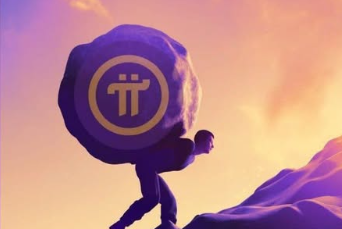
Pi Network, one of the most followed projects in the Web3 ecosystem, is entering a strategic phase of evolution. As highlighted by insights from the @dorisyincpa community, some pioneers have raised questions about the network’s current approach, specifically regarding the GCV framework. There have been misconceptions suggesting that the reduction in public debate about GCV could indicate a shift in ideology or priorities unrelated to the network’s core mission. However, reality is rooted in strategy, consensus and execution, principles that define Pi Network’s approach to building a decentralized digital economy.
The concept of GCV, which stands for Global Consensus Value, represents a fundamental principle for the Pi Network. Over the years, extensive documentation and discussions (totaling more than a million words from community and leadership) have detailed its importance. GCV is not a fleeting idea or a speculative initiative; is a structural component designed to underpin the network’s consensus mechanisms and governance structures. By reaching a level of consensus within the Pi community, GCV has established itself as a successful framework, eliminating the need for constant public reiteration.
Understanding strategic change requires recognizing that the Pi Network operates in phases. The initial phase focused on explanation, education, and community alignment regarding GCV. Pioneers were briefed on why GCV is necessary, how it works within the network, and why no announcements were received from the Core Team. That phase, which emphasized clarity and consensus-building, has now concluded. The network has achieved fundamental success at the consensus level, meaning that GCV principles are integrated and operational within the ecosystem.
With the consensus phase complete, the current stage of the Pi Network emphasizes execution over discussion. This reflects a deliberate shift from conceptual explanation to practical application. Pioneers are now encouraged to focus on real-world activities: mining Pi, transacting with Picoin, participating in decentralized applications, and contributing to the Pi economy. By moving from theory to implementation, Pi Network demonstrates that its long-term vision is not based on announcements or repeated explanations, but on tangible progress, infrastructure development and adoption.
This transition underscores a broader philosophy within Pi Network: success is not measured in words but in actions. The Core Team’s deliberate decision to reduce public comments on the GCV does not indicate disengagement. Rather, it reflects confidence that a fundamental consensus has been achieved and that the network can now prioritize operational growth. For pioneers, this represents a shift in responsibility: moving from passive understanding to active participation. Every transaction, application usage, and development milestone contributes directly to the continued success of the Pi ecosystem.
The importance of GCV lies in its role as a consensus mechanism. Consensus is the backbone of any decentralized network. By establishing agreement on the fundamental principles of the Pi Network through GCV, the network ensures stability, equity and inclusion. Early adopter participation in consensus-driven processes solidifies the legitimacy of the network, enabling scalable growth and fostering a trustworthy ecosystem. Once consensus is achieved, the strategic focus naturally shifts toward leveraging these frameworks for the development of real-world applications and utilities.
Additionally, the strategic shift highlights Pi Network’s commitment to long-term vision over short-term hype. While many projects in the crypto space focus on rapid price movements, media attention, or token speculation, Pi Network emphasizes structural integrity, user adoption, and functional implementation. Achieving consensus on GCV is not a matter of publicity; It is about establishing a reliable and durable framework that supports the evolving economy of the network. This approach ensures that the Pi ecosystem is resilient, adaptable, and able to sustain growth even in dynamic market conditions.
Execution in the current phase involves multiple levels of activity. Developers are trained to create decentralized applications, integrating Pi Payments and leveraging the capabilities of the Pi blockchain. Early adopters are encouraged to participate in transactions, test applications, and contribute to the broader Pi economy. Businesses and services are exploring the integration of Pi for digital commerce and utility, further solidifying the network’s role as a functional economy. Every action within this operational framework reinforces the fundamental principles of GCV, demonstrating that consensus is not static but is actively applied in real-world scenarios.
The strategic shift also addresses a common misconception about GCV visibility. Some community members interpreted the reduction in posts or discussions as a disengagement from core values. In reality, change is indicative of maturity. The Pi Network has gone beyond the need to constantly reiterate fundamental concepts because the community has internalized the consensus. The network now focuses on application, utility, and scale: activities that are measurable, practical, and directly related to the success of the network.
 |
| Source: Xpost |
From a Web3 perspective, this strategic evolution positions the Pi Network as a model for sustainable decentralized development. By separating the phases of education, consensus building, and execution, the network ensures that each stage receives focused attention. Pioneers understand the logic behind fundamental mechanisms like GCV while engaging in activities that drive tangible growth. This structured approach mitigates the risks associated with miscommunication, speculation, or misaligned priorities that often challenge emerging crypto projects.
Additionally, the success of GCV at the consensus level reinforces the strength of the Pi Network’s community-driven model. Pioneers are not passive participants; Their collective commitment validates the network’s governance structures and confirms that decentralized decision-making is effective. Consensus achieved through widespread understanding and participation strengthens trust, security and resilience within the ecosystem, ensuring that future developments are underpinned by a strong and engaged community base.
The strategic focus on action and utility also has implications for the adoption of Pi Coin in everyday contexts. As the network moves from theory to practice, Pi is increasingly used for digital transactions, services and applications. This functional adoption demonstrates the network’s ability to go beyond speculative activity, emphasizing real economic participation. By linking fundamental consensus mechanisms like GCV with operational execution, the Pi Network ensures that each pioneer’s contribution has a meaningful impact on the broader ecosystem.
In conclusion, Pi Network’s strategic shift from discussion to execution reflects the natural evolution of a mature, community-driven blockchain ecosystem. With GCV successfully integrated at the consensus level, the network is now focused on real-world utility, active engagement, and operational growth. Pioneers are encouraged to engage, transact and build, translating core principles into tangible results. This phase of the Pi Network demonstrates that long-term success in crypto is not achieved through repeated announcements or explanations, but through structured execution, consensus-based governance, and meaningful utility.
The Pi Network’s journey illustrates a model for Web3 projects that aim to balance ideological foundations with practical implementation. By completing the consensus phase for GCV and focusing on execution, Pi Network ensures its community, economy, and infrastructure are aligned for sustainable growth. For pioneers, developers and companies, the strategic shift signals a call to action: actively participate, leverage the Pi ecosystem and contribute to building a decentralized economy based on consensus, utility and measurable impact.
The evolution of the Pi Network demonstrates that true success in the crypto landscape is defined by the intersection of vision, governance, and real-world application. Moving from conceptual discussions to operational implementation, the network exemplifies a path where fundamental consensus drives practical growth and ultimately transforms Pi from a mined token to a functional and widely adopted cryptocurrency.
hokanews – not just cryptocurrency news. It’s cryptoculture.
Writer @Victory
Victoria Haleis a pioneering force in the Pi Network and a passionate blockchain enthusiast. With first-hand experience setting up and understanding the Pi ecosystem, Victoria has a unique talent for breaking down complex developments in the Pi Network into engaging, easy-to-understand stories. It highlights the latest innovations, growth strategies, and emerging opportunities within the Pi community, bringing readers closer to the heart of the evolution of the crypto revolution. From new features to analysis of user trends, Victoria ensures that each story is not only informative but also inspiring for Pi Network enthusiasts everywhere.
Disclaimer:
HOKANEWS articles are here to keep you up to date on the latest rumors in crypto, technology, and more, but they are not financial advice. We share information, trends and knowledge, we don’t tell you to buy, sell or invest. Always do your own homework before making any money moves.
HOKANEWS is not responsible for any loss, gain or chaos that may occur if you act on what you read here. Investment decisions should arise from your own research and, ideally, the guidance of a qualified financial advisor. Remember: cryptocurrencies and technology move fast, information changes in the blink of an eye, and while we strive for accuracy, we cannot promise that it is 100% complete or up-to-date.

