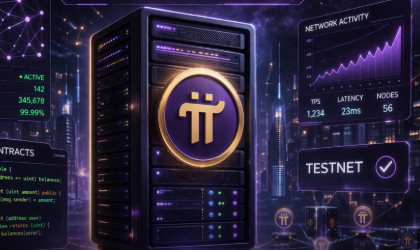
As the web3 ecosystem continues to evolve, much of the focus remains on visible components such as cryptocurrencies, decentralized applications, and user interfaces. However, beneath the surface lies a critical layer of infrastructure that allows these systems to function smoothly. Among the most important components are RPC servers, which serve as the backbone connecting users, developers, and blockchain networks.
RPC, or remote procedure call, servers play a critical role in the operation of web3 applications. They act as intermediaries that allow applications to communicate with blockchain networks, facilitating both data retrieval and transaction execution. Although often overlooked by regular users, RPC servers are essential to the performance, scalability, and usability of decentralized systems.
At a fundamental level, RPC servers handle two main types of interactions. The first is to read data from the blockchain. This includes checking account balances, retrieving transaction histories, and accessing smart contract data. These operations are usually free, as they do not require changes to the state of the blockchain. That’s why users can check their wallet balances or view transaction details without incurring fees.
The second type of interaction involves writing data to the blockchain. This includes executing transactions, deploying smart contracts, or interacting with decentralized applications in a way that modifies the state of the network. These actions require validation and consensus throughout the network, so they involve fees and security mechanisms. RPC servers facilitate this process by transmitting signed transactions to the blockchain for verification.
Understanding this distinction is crucial to understanding how web3 applications scale. By separating read and write operations, the RPC infrastructure allows systems to optimize performance and cost-effectiveness. High-frequency read operations can be handled quickly and without charges, while write operations are processed safely and deliberately. This balance is what allows decentralized applications to operate effectively at scale.
In the broader crypto landscape, RPC servers have become a key area of innovation. As user demand grows, the need for high-performance, reliable infrastructure increases. Developers rely on RPC endpoints to ensure their applications can handle high volumes of requests without delays or failures. Any disruption to RPC services can directly impact the user experience, highlighting its importance within the ecosystem.
For projects like the Pi Network, RPC infrastructure is particularly relevant as the ecosystem continues to expand. With a growing number of users and applications, the ability to efficiently connect to the network becomes increasingly important. RPC servers can allow developers to create applications that interact with the Pi blockchain in real time, supporting everything from simple transactions to complex decentralized services.
The scalability of web3 applications is closely linked to the quality of their underlying infrastructure. In traditional web systems, centralized servers handle most of the workload. In contrast, web3 is based on decentralized networks, where RPC servers act as gateways that bridge the gap between users and distributed ledgers. This architecture presents opportunities and challenges.
One of the key advantages of RPC servers is their ability to abstract the complexity of blockchain interactions. Developers do not need to manage nodes directly or understand every detail of the underlying protocol. Instead, they can use standardized RPC interfaces to interact with the network. This simplifies development and speeds up the creation of new applications.
At the same time, this reliance on the RPC infrastructure introduces considerations around reliability and decentralization. If too many applications depend on a small number of RPC providers, bottlenecks or points of failure can be created. As a result, there is growing interest in decentralized RPC networks that distribute requests across multiple nodes, improving resiliency and reducing dependence on centralized services.
Security is another critical aspect of RPC operations. When users initiate transactions through a web3 application, the RPC server plays a role in transmitting that transaction to the blockchain. Ensuring this process is secure and tamper-proof is essential to maintaining trust in the system. Encryption, authentication and validation mechanisms help safeguard these interactions.
  |
| Source: Xpost |
The role of RPC servers also extends to enabling innovation within the web3 space. By providing a trusted interface to blockchain networks, they allow developers to experiment with new ideas and create applications that were not possible before. This includes everything from decentralized financial platforms to gaming ecosystems and digital identity solutions.
In the context of Pi Network, developing a robust RPC infrastructure could be a key driver for future growth. As the network moves toward greater utility and developer engagement, the ability to support seamless interactions between applications and the blockchain will become increasingly important. RPC servers can facilitate this process and help unlock new use cases for Pi Coin.
It is also worth noting the economic implications of this infrastructure. By enabling efficient and scalable interactions, RPC servers contribute to the overall value of the ecosystem. They support the creation of services and applications that drive demand for digital assets, reinforcing the utility of the network.
Furthermore, the distinction between free read operations and paid write operations reflects a broader principle within blockchain systems. It highlights the importance of resource allocation and incentives, ensuring that network resources are used efficiently while maintaining security and integrity. This model is a key factor in the sustainability of decentralized networks.
As web3 continues to mature, the importance of infrastructure components such as RPC servers is likely to become more widely recognized. While they may not grab headlines in the same way as new coins or major partnerships, their role is critical to the functioning of the ecosystem. Without them, the seamless experiences that users expect would not be possible.
For developers entering this space, understanding RPC architecture is an essential step. Provides insights into how applications interact with blockchains and how performance and scalability can be optimized. This knowledge can inform better design decisions and contribute to the creation of more efficient and user-friendly applications.
Looking ahead, the evolution of RPC infrastructure will likely be determined by technological advances and growing demand. Innovations such as distributed RPC networking, improved caching mechanisms, and improved security protocols could further strengthen the foundation of web3 systems.
In conclusion, RPC servers represent a critical, yet often underrated, component of the crypto and web3 ecosystem. By enabling free access to data and secure transaction processing, they serve as the invisible engine that powers decentralized applications.
As projects like the Pi Network continue to grow and evolve, the importance of reliable and scalable infrastructure will only increase. RPC servers will play a central role in this process, supporting application development, facilitating user interactions, and ultimately contributing to the realization of a more decentralized digital future.