
In an increasingly dynamic global landscape, the crypto industry once again demonstrates momentum that cannot be ignored. The rising wave of digital transformation is shaking the foundations of long-standing centralized financial systems. Structures built on the basis of concentrated power now face significant pressure driven by demands for transparency, open access, and a more equitable distribution of control.
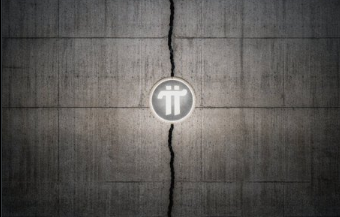
Amid this transformation, the Pi network has emerged as a symbol of change that is gaining relevance in the broader web3 discourse. Like a constant light shining from within a fractured concrete wall, the community sees the Pi network as a representation of the resilience, hope and innovation emerging from the cracks of the old system. This narrative gained renewed attention after a symbolic message shared by the Twitter community known as Army Pi Web3portraying the emblem of Pi shining firmly within the fracture of centralized power.
Metaphor is more than visual symbolism. It reflects a tangible change taking place within the crypto industry. Traditional centralized financial models may still dominate global markets, but the pressure to evolve is intensifying. Blockchain adoption continues to expand, awareness of digital sovereignty is increasing, and the web3 ecosystem is steadily developing towards a decentralized future.
Web3 represents the next generation of the Internet and emphasizes user ownership, transparency, and systems that operate without intermediaries. In this context, Coin is no longer considered simply a speculative asset but part of the infrastructure of a future digital economy. Cryptocurrencies serve as the basis for peer-to-peer transactions that operate independently of centralized authorities.
The Pi network positions itself within this transformative movement through a different approach. Unlike many crypto projects that require a significant upfront investment, the Pi Network promotes a staking model focused on community involvement. Picoin, the digital asset developed within its ecosystem, is designed to be widely accessible through mobile devices, expanding financial inclusion in diverse populations.
This strategy has helped cultivate a large and distributed user base. Community-driven development is one of the defining strengths of the Pi network. Within the web3 paradigm, the power of the community often determines the sustainability of a project. Decentralization is not just about technology; it is equally about participation, trust and collective governance.
Images shared by Pi Web3 Army of an imposing centralized wall cracking under the waves of change, with the Pi symbol constantly glowing within it, aligns with growing industry sentiment. Many cryptocurrency advocates believe that the era of singular institutional dominance is gradually shifting towards collaborative blockchain-based systems.
Globally, cryptocurrency adoption continues to show significant growth. Emerging economies increasingly recognize digital assets as tools for financial inclusion, while developed nations explore blockchain to achieve payment efficiency and improve transparency. In this competitive environment, differentiation becomes critical.
The Pi network seeks to differentiate itself through a mobile-centric approach and an inclusive coin distribution model. This framework reduces technical barriers and encourages participation from users who may not possess advanced technical knowledge. This accessibility aligns closely with web3’s broader mission of democratizing technology access.
However, challenges remain. The crypto industry is characterized by volatility and constantly evolving regulatory landscapes. Projects that fail to demonstrate tangible utility often struggle to maintain long-term momentum. Therefore, the sustained success of the Pi network will largely depend on ecosystem development, real-world integration, and transparent governance mechanisms.
In this context, Picoin must demonstrate its economic function beyond symbolic representation. The development of Pi-powered marketplaces, payment integrations, and partnerships with merchants could serve as significant indicators of long-term viability.
Web3 demands more than technical innovation. It requires participatory governance models, strong security frameworks and enduring community trust. The Pi network possesses significant social capital through its extensive global user base built over years of early participation. If managed effectively, this capital could become a solid foundation for navigating the increasingly competitive crypto environment.
 |
| Source: Xpost |

The fracture in centralized systems is not merely symbolic. In recent years, the world has witnessed a decline in trust in major financial institutions, large-scale data breaches, and persistent inequalities in access to banking services. Cryptocurrencies emerged partly in response to these structural challenges.
The Pi network is trying to position itself as part of that solution. By emphasizing broad distribution and community engagement, it reinforces the narrative that the future of Coin ownership should not be reserved exclusively for institutional investors, but also be accessible to everyday individuals.
On social platforms, discussions about Picoin and web3 continue to intensify. Global communities actively share updates, analysis, and expectations for future phases of development. This digital push illustrates how narrative force plays an important role in shaping the crypto industry.
However, industry analysts caution that strong narratives must be backed by strong technical and fundamental execution. Secure blockchain infrastructure, efficient consensus mechanisms, and regulatory compliance remain critical components of long-term credibility.
For investors and industry observers, the development of the Pi network represents a notable social and technological experiment within the web3 ecosystem. It tests whether a community-driven distribution model can achieve long-term sustainable growth.
From a broader perspective, the breakdown of centralized power structures indicates that transformation is inevitable. The history of technology shows that overly centralized systems often face pressure when new innovations emerge. Web3 represents the next evolutionary phase of the Internet and cryptocurrencies are its driving force.
It remains to be seen whether the Pi network will ultimately become the lasting light illuminating this fracture or will remain a symbol of transition. What is certain is that conversations about decentralization, the utility of currencies, and the future of digital finance will continue to evolve.
Amid rapid change, communities like Pi Web3 Army continue to project optimism. They see Picoin as part of a broader movement towards blockchain-based financial independence. When combined with sustained innovation and transparency, that optimism could significantly contribute to reshaping the crypto landscape.
The crypto industry now finds itself at a fundamental crossroads. Regulatory frameworks are tightening, competition is intensifying and public expectations are rising. In such an environment, only projects with solid foundations and committed communities are likely to endure.
Pi Network has the opportunity to become a major player in the next stage of web3’s evolution. Through strategic development, strengthening Picoin’s utility, and a firm commitment to the principles of decentralization, the project could solidify its position as a symbol of structural change.
The light that shines from within the fracture of centralized power is more than poetic images. It represents the emergence of new systems from the cracks of old ones. In the ever-evolving world of cryptocurrencies, every fracture carries the potential to open the door to the next wave of innovation. For its community, the Pi network represents that constant light, ready to lead the way.
hokanews – not just cryptocurrency news. It’s cryptoculture.
Writer @Victory
Victoria Haleis a pioneering force in the Pi Network and a passionate blockchain enthusiast. With first-hand experience setting up and understanding the Pi ecosystem, Victoria has a unique talent for breaking down complex developments in the Pi Network into engaging, easy-to-understand stories. It highlights the latest innovations, growth strategies, and emerging opportunities within the Pi community, bringing readers closer to the heart of the evolution of the crypto revolution. From new features to analysis of user trends, Victoria ensures that each story is not only informative but also inspiring for Pi Network enthusiasts everywhere.
Disclaimer:
HOKANEWS articles are here to keep you up to date on the latest rumors in crypto, technology, and more, but they are not financial advice. We share information, trends and knowledge, we don’t tell you to buy, sell or invest. Always do your own homework before making any money moves.
HOKANEWS is not responsible for any loss, gain or chaos that may occur if you act on what you read here. Investment decisions should arise from your own research and, ideally, the guidance of a qualified financial advisor. Remember: cryptocurrencies and technology move fast, information changes in the blink of an eye, and while we strive for accuracy, we cannot promise that it is 100% complete or up-to-date.