


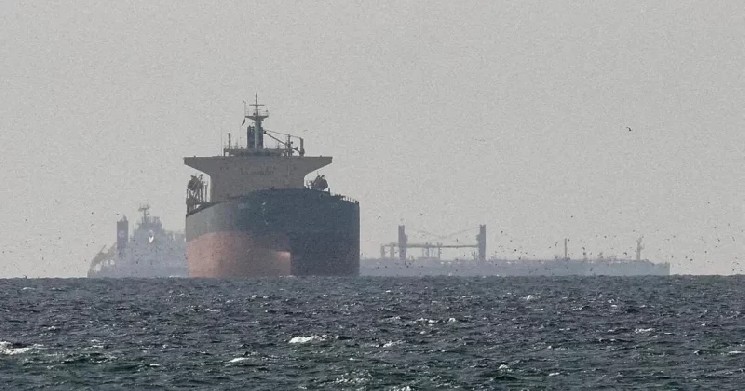
The U.S. Treasury has quietly allowed its sanctions waiver on Russian maritime oil shipments to expire, closing one of the last legal windows for Russian crude to transit international shipping lanes. The waiver, known as General License 134B, lapsed on May 16, 2026, with no renewal notice published.
What the waiver actually did
General permit 134B was issued in April and met a very specific objective. It allowed ships that had already loaded oil of Russian origin before a certain deadline to complete their deliveries without running into US sanctions.
The groundwork for this moment was laid months ago. In March 2025, the expiration of a related license, General License 8L, restricted financial transactions related to Russian energy. This decision alone contributed to a measurable decline in seaborne export volumes of Russian crude, as banks and shipping companies became increasingly cautious about any manipulation related to Russian oil.
Why timing matters
Global oil supply chains are already strained by continued disruptions in the Strait of Hormuz, one of the world’s most critical chokepoints for energy shipments. About a fifth of the world’s oil passes through this narrow waterway every day.
The revised approach to sanctions reflects a broader strategic posture that has been building for some time. The Trump administration launched this campaign to systematically restrict the financial channels used by Russia to monetize its energy exports.
What this means for investors
For crypto investors in particular, the dynamic is worth watching closely. Periods of tightening monetary policy and rising inflation have historically led to increased interest in non-sovereign assets. Bitcoin, in particular, tends to attract attention as a potential hedge when traditional financial systems face geopolitical disruption.
What to watch from now: whether a new waiver or license will appear in the coming weeks, how Russian crude export volumes will react to this interruption, and whether oil prices will begin to reflect the tightening supply.

