
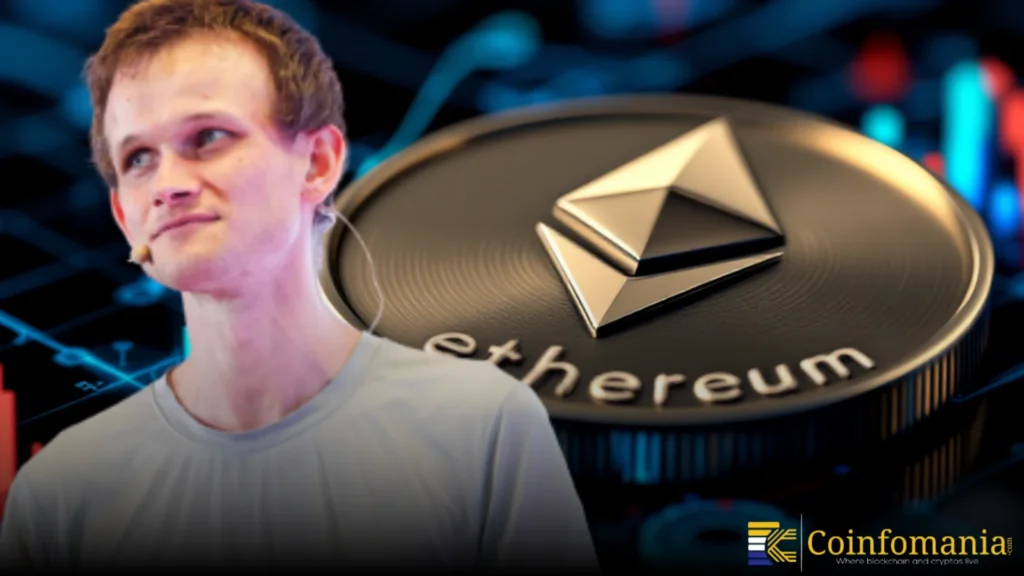
Ethereum co-founder Vitalik Buterin made a rare public admission this week. He said the Ethereum Foundation spent years underestimating the importance of its peer-to-peer, or P2P, network layer. For a long time, the focus was on cryptoeconomics, block design, and consensus systems. Meanwhile, the actual network layer that moves data between nodes received much less attention. Vitalik said he often criticized this imbalance internally.
Ethereum co-founder Vitalik Buterin said he had long criticized the Ethereum Foundation’s lack of P2P networking expertise (over-indexing in cryptoeconomics, BFT consensus, and working on block layers while taking the network layer for granted), but that this has now changed. He cited PeerDAS…
– Wu Blockchain (@WuBlockchain) December 9, 2025
Now he believes the problem is finally being solved. The turning point is PeerDAS, a major upgrade to Ethereum’s data propagation system. He credited developer Raúl V. and several Ethereum Foundation teams for driving the improvement. In his words, the work behind PeerDAS has been “heroic.”
What PeerDAS changes within Ethereum
PeerDAS stands for Peer-to-Peer Data Availability Sampling. In simple terms, it helps Ethereum move block data across the network faster and more reliably. Ethereum depends on thousands of nodes to stay decentralized. Each node must receive data quickly to verify blocks and keep the chain in sync. Slow data flow can cause delays, missed locks, and increased risks during congestion.
Chart 1: Delta of the fastest column (intraslot, ms) shared by @VitalikButerin
PeerDAS solves this problem by distributing data across the network in a more intelligent way. Specifically, it allows nodes to verify that full block data exists without needing to download all of it, thus saving time and bandwidth. Additionally, Vitalik shared performance graphs showing how evenly and quickly data is now distributed across the network. In fact, most delays stay close to the fastest possible time, showing fewer bottlenecks and smoother propagation. As a result, Ethereum gains better speed, higher reliability, and less stress during heavy traffic.
Greater speed, greater resilience and more privacy
PeerDAS doesn’t improve just one area. Aim for three at a time. First of all, it increases the speed of propagation. Data reaches the nodes faster. This reduces the risk of reorganizations and lost certifications. It also opens the door to shorter blocking times in the future. Secondly, it improves resilience. Even if some nodes go offline or face delays, the network continues to flow. The data reaches enough validators to keep the consensus stable.
Third, it strengthens privacy at the network level. This is a big problem. Unlike many privacy efforts, which focus solely on apps and wallets, PeerDAS takes privacy deeper into real networks. Consequently, that makes Ethereum more difficult to monitor or censor at the infrastructure level. Developers say this balance is delicate. In fact, speed, privacy, and decentralization often fight against each other; However, PeerDAS tries to propose all three at the same time.
Community reaction indicates a change in priorities
The response from builders and researchers was quick and loud. Many said this update is more important than flashy features like sharding or zero-knowledge virtual machines. Networking is considered by some to be the easiest way to reduce latency and improve real-world user experience. Others praised Ethereum for finally treating infrastructure as a first-class priority. Raúl V. confirmed that several teams worked together on clients, network layers and protocol design. Specifically, he said tighter integration and smarter data flow now drive the roadmap.
Additionally, more updates are already underway. The focus remains clear: Ethereum wants faster blocks, greater privacy, and true scalability without sacrificing decentralization. Consequently, Vitalik’s message carried weight. In fact, Ethereum no longer takes its network layer for granted. For a chain based on trustless coordination, that change could define its next era.
The post Vitalik Says Ethereum Is Finally Fixing Its P2P Networks Weakness appeared first on Coinmania.