


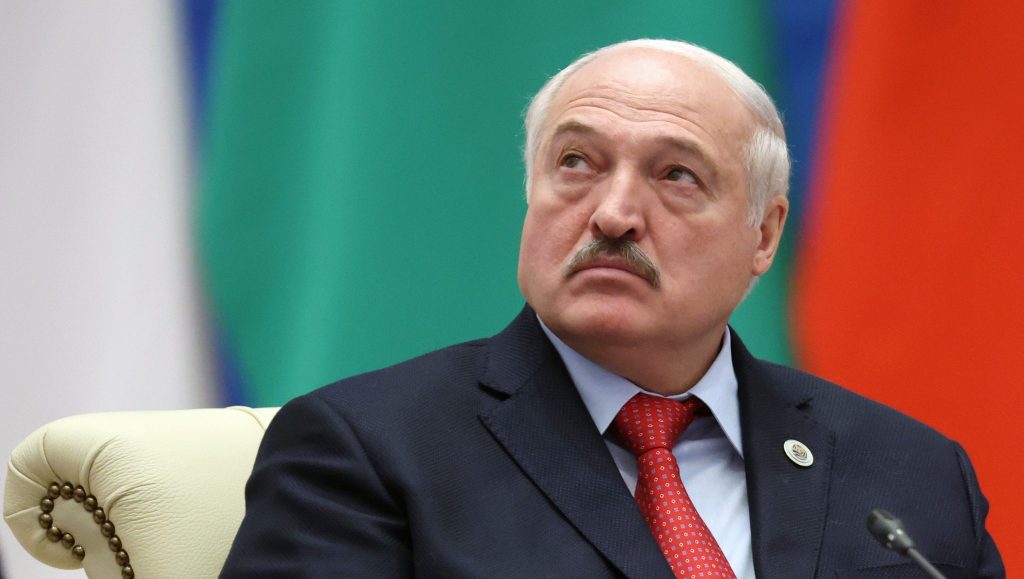
Belarusian President Alexander Lukashenko announced digital currency mining as a strategic path to reduce global dependence on the United States dollar (USD), explaining his plans for intensive expansion at a government meeting on energy policy. The new trend builds on previous commitments to turn the country’s excess nuclear power into a competitive advantage for digital currency mining, while broader geopolitical trends pick up the pace. Reduce the dominance of the US dollar over cash reserves On several continents.
According to a local report, Lukashenko dismissed concerns about market volatility at the November 14 meeting in the capital, Minsk, explaining that digital currencies represent an inevitable part of international efforts to develop alternatives to cash reserves, and told officials present to discuss strategies for electricity consumption and nuclear energy development that “our world today faces a global challenge of moving away from dependence on a single currency, which is the U.S. dollar “. He added: “This trend is expected to accelerate and digital currencies could be one of these alternatives.
Belarus builds nuclear power-based cryptocurrency mining infrastructure
The president’s support comes after several months of preparatory work aimed at strengthening Belarus’ position as an attractive destination for international cryptocurrency mining activities.
Last March, President Lukashenko asked Energy Minister Alexei Kushnarenko to harness the nation’s surplus electric power for digital currency mining, with a direct reference to ongoing developments in Washington, where President Donald Trump announced plans to create a national Bitcoin (Bitcoin-BTC) reserve. Lukashenko said: “We can see the path the world is taking, especially the world’s largest economy,” Highlighting that Belarus could in the future create its own national reserve of digital currencies instead of just attracting foreign investment, and that Belarus’s mining ambitions rely on the Belarusian nuclear power plant, which reached its full operational capacity of 2,400 megawatts after the operation of the second unit in November 2023.
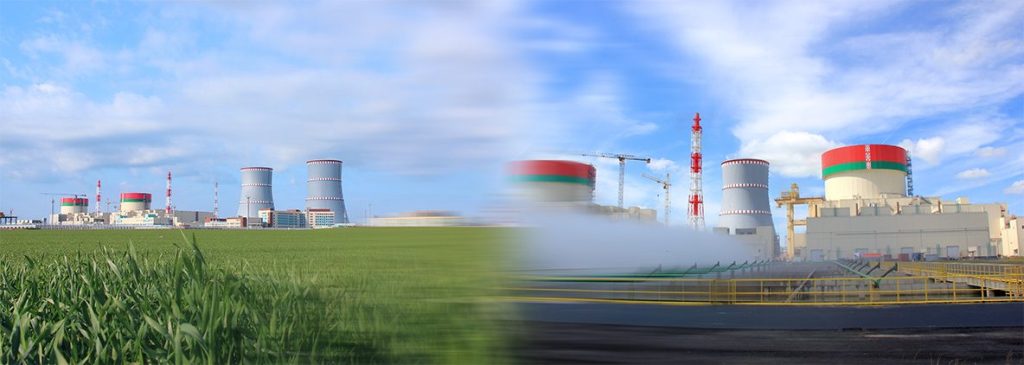
Infrastructure upgrades have helped resolve issues of previous energy shortages, which prevented the attraction of mining companies to the Minsk High-Tech Park, while reports indicate that Russian and Chinese investors have expressed interest in existing projects in Belarus to benefit from the incentive electricity tariffs that became possible after increased nuclear production.
In addition to mining, Belarus is preparing to launch its central bank digital currency (CBDC) in late 2026, with the national bank planning to start by onboarding businesses before expanding access to government agencies and citizens in 2027. The digital ruble initiative closely aligns with Russia’s efforts to develop its own central bank digital currency, at a time when both countries are facing sanctions pressure and seeking alternative solutions to financial settlement mechanisms, noting that Russia has postponed the launch of its currency until mid-2026 due to technical challenges.
Global Trends to Reduce Dollar Dominance Accelerate the Pace of Bitcoin Adoption
Belarus’s strategic shift coincides with documented changes in international trade settlement methods that extend beyond Eastern Europe. Investment firm VanEck reported in April that China and Russia had begun settling some energy transactions using Bitcoin and other digital assets, while Bolivia announced plans to import electrical energy using digital currencies.
These developments coincide with escalating trade tensions after the Trump administration announced the imposition of 125% tariffs on Chinese imports, which caused the price of Bitcoin to fall 5.6% to $81,636 in the hour following the announcement.
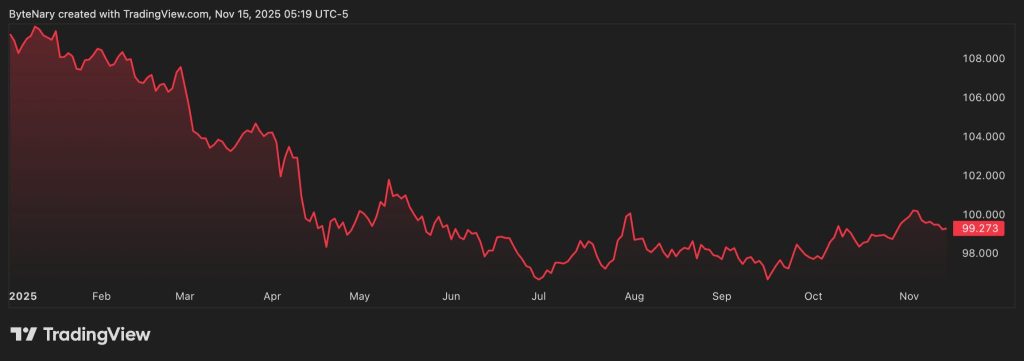
China then responded by raising tariffs on US imports from 34% to 84% on April 9, before a diplomatic breakthrough on May 12 led to a reduction in tariffs, with the US cutting tariffs to 30% and China to 10%. Against the same backdrop, the US dollar index has fallen more than 9% year-to-date to 99, reinforcing what VanEck described as Bitcoin’s role as a hedging tool against the erosion of the value of cash balances and increasing geopolitical risks.
As UBS CEO Amy Lo said at a Bloomberg event in Hong Kong, Asia’s richest investors have responded to these economic changes by reallocating some of their cash reserves from the US dollar to Bitcoin, gold and Chinese markets.
Wealthy investors in Asia now hold more than 15% of their wealth in cryptocurrencies and gold, a marked shift from traditional dollar-based portfolios. The Cryptonews report indicates that 76% of family offices and high net worth investors in Asia own digital assets, up from 58% in 2022, with the proportion of digital currency allocations increasing from less than 5% to more than 10% of the total value of investment portfolios for some of them.
Singapore is at the forefront of this trend, with 57% of wealthy investors planning to increase their allocations to digital currencies over the next two years, and the wealth of the region’s wealthy class is expected to increase from $2.7 trillion in 2021 to $3.5 trillion by 2026.
The article Belarus prioritizes digital currency mining as part of efforts to break dollar dominance appeared first on Cryptonews Arabic.

