


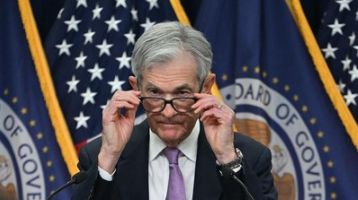
Federal Reserve pumps $172 billion into economy in four months, sparking ‘stealth FC’ debate
A significant injection of liquidity by the Federal Reserve is attracting the attention of financial markets, as approximately $172 billion has been added to the economy over the past four months. The move has reignited debate among analysts and investors over whether the central bank is effectively reintroducing a form of quantitative easing, despite not labeling it as such.
Market observers have increasingly referred to this development as “not QE, QE,” suggesting that while the policy may differ in structure from traditional asset purchase programs, its impact on liquidity and financial conditions may be similar.
 |
| Source: XPost |
An increase in liquidity
The injection of $172 billion represents a notable expansion of liquidity within the financial system. While the mechanisms behind the increase may vary, such as adjustments to balance sheet operations or credit facilities, the result is an increase in available capital.
Liquidity plays a critical role in financial markets, influencing everything from asset prices to borrowing costs. An increase in liquidity can support economic activity by making capital more accessible to businesses and consumers.
However, it may also raise questions about inflationary pressures and long-term financial stability.
Understanding “not QE, QE”
The phrase “no QE, QE” reflects skepticism among some analysts about the nature of the Fed’s actions. Traditional quantitative easing (QE) involves large-scale purchases of government bonds or other securities to inject money into the economy.
In this case, while the central bank may not be explicitly engaging in QE, the effect of its actions (expanding liquidity) has led some to make comparisons.
The distinction lies in the methods used. Instead of direct asset purchases, the current approach may involve different tools designed to achieve similar results without formally declaring a QE program.
Market reaction and investor sentiment
Financial markets have been closely following the Federal Reserve’s actions, with liquidity levels often acting as a key driver of asset prices. Greater liquidity can support stocks, commodities and alternative assets, including cryptocurrencies.
Investors are particularly sensitive to changes in monetary policy as they can influence risk appetite and capital flows. The perception of renewed liquidity support may encourage greater participation in riskier assets.
Reports circulating on social platforms, including mentions of mobile cryptoX’s account has highlighted the scale of the injection, contributing to greater market awareness.
Implications for inflation and policy
One of the central concerns associated with increased liquidity is its potential impact on inflation. While additional capital can stimulate economic activity, it can also contribute to rising prices if not managed carefully.
The Federal Reserve faces the challenge of balancing economic support with inflation control. Policymakers should consider how liquidity measures interact with broader economic conditions, including employment, growth and global trends.
Broader economic context
The liquidity injection occurs amid a complex economic environment, where central banks face multiple challenges, including global uncertainty, changes in interest rates and evolving market dynamics.
The decision to increase liquidity may reflect efforts to stabilize financial conditions or address specific market needs. However, it also underlines the current role of central banks in shaping economic outcomes.
Impact on cryptocurrency markets
The relationship between monetary policy and cryptocurrency markets has become increasingly evident in recent years. Periods of increased liquidity have often coincided with growing interest in digital assets, as investors seek alternative stores of value and higher returns.
While it is difficult to quantify the direct impact of the Federal Reserve’s actions on cryptocurrencies, the broader liquidity environment can influence market behavior.
A debate that continues
The characterization of current policy as “no QE, QE” highlights the ongoing debate over how central banks’ actions should be interpreted. While some see the measures as a necessary support for the economy, others question their long-term implications.
This debate reflects broader concerns about transparency, communication and the changing nature of monetary policy.
Looking to the future
As the Federal Reserve continues to navigate a complex economic landscape, its actions will continue to be a focal point for both markets and policymakers. The balance between supporting growth and maintaining stability will be essential in the coming months.
For now, the $172 billion injection serves as a reminder of the powerful role central banks play in shaping financial conditions and of the ongoing debates about how those actions should be understood.
hokanews.com – Not just cryptocurrency news. It’s cryptoculture.
Writer @Ethan
Ethan Collins is a passionate crypto journalist and blockchain enthusiast, always on the hunt for the latest trends revolutionizing the world of digital finance. With a knack for turning complex blockchain developments into engaging, easy-to-understand stories, he keeps readers ahead of the curve in the fast-paced crypto universe. Whether it’s Bitcoin, Ethereum, or emerging altcoins, Ethan dives deep into the markets to uncover ideas, rumors, and opportunities that matter to cryptocurrency fans everywhere.
Disclaimer:
HOKANEWS articles are here to keep you up to date on the latest rumors in crypto, technology, and more, but they are not financial advice. We share information, trends and knowledge, we don’t tell you to buy, sell or invest. Always do your own homework before making any money moves.
HOKANEWS is not responsible for any loss, gain, or chaos that may occur if you act on what you read here. Investment decisions should arise from your own research and, ideally, the guidance of a qualified financial advisor. Remember: cryptocurrencies and technology move fast, information changes in the blink of an eye, and while we strive for accuracy, we cannot promise that it is 100% complete or up-to-date.

