


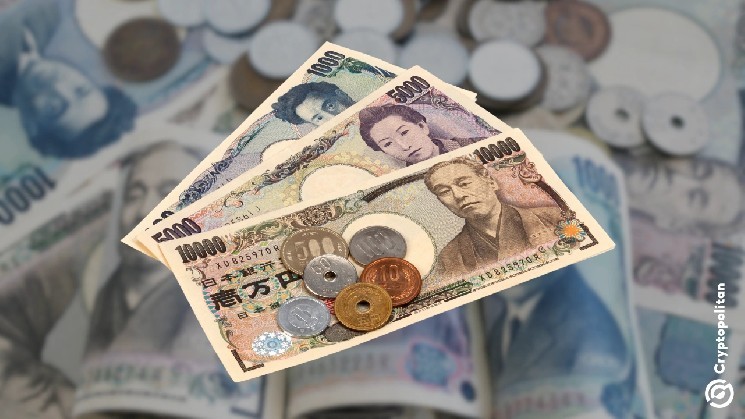
Japan has shifted its efforts to make it easier to approve cryptocurrency exchange-traded funds (ETFs), aiming to achieve that by 2028. Several analysts also commented on Japan’s target, predicting that the island country’s regulators will approve crypto ETFs by 2028, allowing large institutions to make substantial investments in digital asset products.
Sources familiar with the matter said the move could significantly reshape one of the world’s most regulated digital asset markets.
Japan aims to consolidate its leading position in the crypto industry
Large financial companies such as Nomura and SBI Holdings are widely seen as strong candidates to launch Japan’s first crypto ETFs. This outlook illustrates that the country is moving from cautious oversight to active adoption of digital assets, with the aim of integrating them into its traditional financial system.
Known for being curious but cautious in the crypto space, sources noted that Japan was among the first countries to adopt Bitcoin as a legal payment method. However, despite the exploration of this industry, the island country has adopted strict regulations in response to previous challenges related to foreign exchange failures and market misuse.
Regarding its recent focus, reports have highlighted that the country’s move towards possible approval of crypto ETFs reflects a new systemic approach to regulation. Additionally, these ETFs will encourage global investor participation through regulated products listed on cryptocurrency exchanges, without requiring direct ownership of digital assets.
The sudden move prompted journalists to contact an Asia-based market strategist for more clarity on the country’s next move. In response to this request, the market strategist, who wished to remain anonymous due to the confidential nature of the situation, said that “Japan is taking its time, but the direction in which things are heading is clear”, adding that “the main focus is on protecting investors and maintaining high standards for institutions.”
Regarding the timetable, sources familiar with the matter revealed that Japan prefers regular, long-term adjustments rather than reckless deregulation. At the same time, it is worth noting that regulators are examining the approaches taken by other major markets, particularly the United States and parts of Europe, in connection with the successful launch of crypto ETFs.
On the other hand, Japanese officials have made clear their intention to take a long-term strategic perspective in attempting toenhance the rules governing custody, valuation methods and disclosure requirements before granting retail and institutional investors access to these products.
Following this news, analysts speculated that Japan’s move was aimed at avoiding serious threats while ensuring that crypto ETFs strictly adhered to the country’s regulatory standards.
Analysts recognize increased adoption of cryptocurrency by individuals
Crypto companies Nomura and SBI Holdings are often seen as potential leaders in the crypto sector, having gained substantial experience in traditional finance and digital assets through their active participation in the ecosystem.
Apart from this, Nomura has expanded its global footprint in digital assets, while SBI has established a strong crypto framework through investments, collaborations and blockchain exchange services.
Therefore, given their involvement in the Japanese crypto ETF market, sources highlighted that the move could improve market credibility and provide assurance to regulators that these products have strong support from firms demonstrating a high level of regulatory compliance.
Institutional interest is particularly fueling discussions regarding ETFs in Japan. Currently, pension funds, asset managers and insurance companies are increasingly looking for compliant ways to allocate their funds to the crypto sector; however, existing regulatory frameworks limit their participation.

