


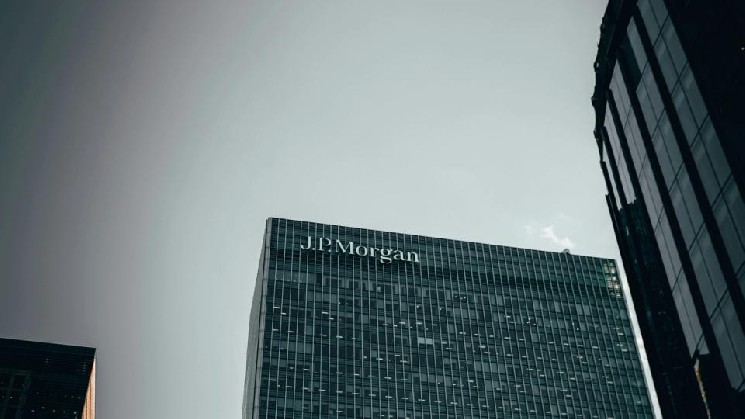
The largest US banks, including JPMorgan, Citi and Bank of America, plan to build a shared, tokenized deposit network by the first half of 2027 to protect their deposits from the threat posed by stablecoins, the Wall Street Journal reported.
The system will be operated by The Clearing House, the payments company collectively owned by the banks. Some banks call the network “the bridge,” others “the chain,” the WSJ said.
Tokenized deposits are blockchain representations of customer money held in a bank. The planned system will convert these deposits into a digital token that can be quickly transferred to a blockchain.
Stablecoins are dollar-pegged digital assets issued by crypto companies that live outside of the traditional banking system. Clarity Act legislation currently working its way through Congress could allow them to pay returns to holders, which could make bank deposits less attractive as tokens also offer faster and cheaper payment capabilities on a blockchain.
If customers adopt stablecoins at scale, banks could face a flight of deposits to crypto wallets, and deposits are what banks rely on to extend credit in the economy. The tokenized deposit network is designed to ensure that deposits remain within the banking system while providing them with crypto-like capabilities.
The WSJ report states that the Clearing House expects large multinationals to adopt the tokenized deposit network as a gateway to programmable treasury options, real-time liquidity management and cross-border payments.
“This is a big step for banks,” CEO David Watson told the newspaper, describing a “radically different” future around blockchain payments.

