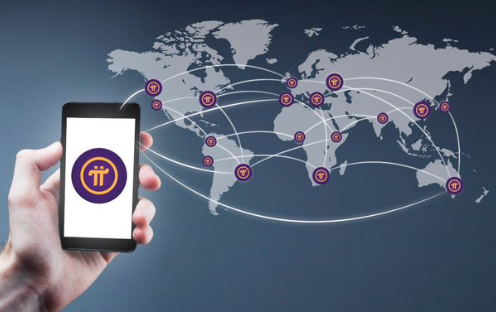
The cryptocurrency ecosystem is undergoing rapid transformation, with new projects continually reshaping the way we perceive and exchange value. Among these developments, Pi Network stands out for its focus on creating an easy-to-use, secure and globally accessible platform for digital transactions. As the network moves towards its Open Mainnet, the potential for Pi transactions to redefine everyday payments and peer-to-peer transfers becomes increasingly evident.
Traditional financial systems rely heavily on intermediaries, such as banks and payment processors, which can introduce delays, fees, and accessibility barriers. Pi Network aims to address these limitations by providing a decentralized platform that allows users to transact instantly and securely without relying on centralized institutions. This approach aligns with Web3 principles, emphasizing decentralization, transparency and user empowerment.
At the heart of Pi Network’s transaction model is its unique consensus algorithm, which ensures the integrity and efficiency of every transfer. This protocol verifies transactions across a distributed network of nodes, eliminating the need for central authorities and reducing the risk of fraud or manipulation. By implementing a secure and reliable validation mechanism, Pi Network allows users to send and receive Pi Coins with confidence, knowing that their funds are protected by the network’s decentralized architecture.
One of the most important advantages of Pi transactions is their ability to be carried out without commissions or with minimal costs. Unlike conventional payment systems that often charge for international transfers, currency conversions or merchant services, Pi Network offers a nearly free environment. This feature is particularly beneficial for people in regions with limited access to banking infrastructure, as it allows for efficient and cost-effective cross-border transfers. By removing financial friction, Pi transactions can promote greater economic participation and support financial inclusion on a global scale.
The versatility of Pi transactions also extends to everyday use cases. From online and in-store purchases to peer-to-peer exchanges and microtransactions, the network is designed to accommodate a wide range of financial activities. This functionality enhances the practical utility of Pi Coins beyond speculation, positioning them as a legitimate means of exchange in the emerging decentralized economy. Businesses and merchants can also integrate Pi transactions into their operations, enabling seamless payments while benefiting from the security and efficiency of blockchain technology.
In addition to enabling payments, Pi transactions facilitate cross-border remittances, providing a faster and more accessible alternative to traditional money transfer services. International transfers are often plagued by high fees, slow processing times, and regulatory complexities. Pi Network’s decentralized approach mitigates these issues by allowing users to send funds directly to recipients without intermediaries, resulting in near-instant settlements and reduced costs. This capacity has the potential to have a significant impact on global financial systems, particularly for migrant workers and people in underbanked regions who rely on remittances as a primary source of income.
Security remains a cornerstone of the Pi Network transaction framework. The consensus mechanism, combined with network-wide encryption and validation protocols, ensures that each transaction is tamper-proof and verifiable. Users can track their transfers and verify the authenticity of each transaction on the blockchain, fostering trust and transparency within the network. Additionally, Pi Network’s mobile design allows users to manage their funds securely from smartphones, making it accessible to a wide range of participants while maintaining high standards of digital security.
 |
| Source: Xpost |
The adoption of Pi transactions is also a strategic step towards broader integration within the Web3 ecosystem. As decentralized applications, smart contracts, and blockchain-based services continue to gain traction, a reliable and scalable medium of exchange is essential. The Pi Network infrastructure is being developed with these requirements in mind, enabling seamless interaction with other decentralized services and creating opportunities for developers to create innovative applications that leverage Pi Coins for payments, rewards, and financial incentives.
Financial empowerment is a key goal of the Pi Network. By providing a platform where users can freely exchange value without intermediaries, the network allows people to participate in the digital economy on their own terms. This empowerment extends beyond personal convenience; It fosters economic inclusion by providing tools for entrepreneurship, digital commerce, and peer-to-peer collaboration. Communities around the world can benefit from the accessibility, efficiency and transparency of Pi transactions, creating new avenues for economic development and financial autonomy.
The Open Mainnet phase marks a critical milestone for the Pi Network as it establishes the technical and operational foundation for the widespread adoption of Pi transactions. With a fully functional network, users will have access to a stable and scalable system capable of supporting increasing transaction volumes while maintaining speed, security and reliability. This development paves the way for future innovations, including enhanced wallet features, merchant integration, and global interoperability with other digital currencies.
User education plays a critical role in ensuring effective adoption of Pi transactions. The Pi Core Team emphasizes the importance of responsible participation, providing resources and guidance to help pioneers understand transaction protocols, security practices, and the broader implications of decentralized finance. By equipping users with knowledge and tools, the network fosters a culture of informed participation, reducing the risks associated with misuse and promoting long-term sustainability.
As the network expands, the collective impact of Pi transactions will likely extend beyond individual users. Businesses, organizations, and developers can leverage Pi’s capabilities to streamline payments, incentivize customer behavior, and implement innovative financial solutions. By integrating Pi Coins into various aspects of the economy, the network bridges the gap between blockchain technology and real-world applications, demonstrating the practical potential of decentralized finance.
In conclusion, Pi Network transactions represent a transformative approach to digital payments, combining security, efficiency and inclusion. The network’s decentralized architecture, fee-minimizing design, and mobile accessibility position Pi Coins as a versatile medium of exchange suitable for both personal and commercial use. As the network moves closer to Open Mainnet, the potential for Pi transactions to revolutionize global payments and boost financial inclusion becomes increasingly tangible. By fostering a secure, transparent and easy-to-use environment, Pi Network is redefining how value is exchanged in the digital age, offering a practical and scalable solution for the next generation of decentralized finance.