


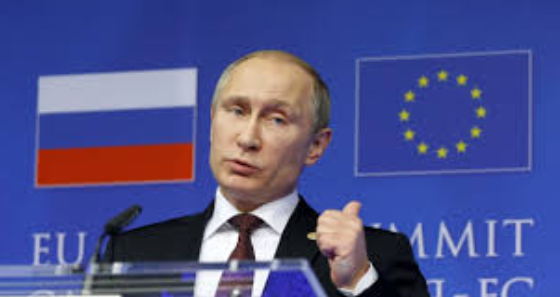
European Union blacklists Russia over increased money laundering risks
The European Union has officially added Russia to its list of jurisdictions considered high risk for money laundering, marking a significant escalation in financial scrutiny amid ongoing geopolitical tensions and regulatory concerns.
The decision, confirmed through public disclosures shared on X and cited by Whale Insider, reflects growing alarm within EU institutions over weaknesses in anti-money laundering and anti-terrorist financing frameworks linked to Russia. The Hokanews editorial team reviewed the confirmation before reporting on the development, following standard newsroom verification practices.
 |
| Source: XPost |
An important regulatory signal from Brussels
The move places Russia alongside countries that face increased monitoring and stricter compliance requirements when interacting with European financial institutions. Banks, payment providers and other regulated entities across the EU will now be required to apply additional due diligence measures to transactions involving Russian counterparties.
EU officials have framed the decision as part of a broader effort to protect the integrity of the European financial system. According to policymakers familiar with the matter, concerns center around transparency gaps, limitations in law enforcement, and high risks of illicit financial flows linked to sanctioned entities and cross-border networks.
While the EU has already imposed extensive sanctions on Russia, the blacklisting represents a distinct regulatory step specifically focused on preventing financial crimes rather than solely geopolitical punishments.
What the blacklist means in practice
Being included on the EU high-risk list does not constitute a total ban on financial activity. However, it significantly increases compliance burdens. European banks must conduct stricter background checks, monitor transactions more closely, and report suspicious activity more frequently.
Financial analysts say the designation could further complicate Russia’s access to international capital, particularly through European markets. Even non-sanctioned Russian companies can face delays, higher costs, or outright rejection when trying to do cross-border business.
The impact may also extend beyond traditional finance. Crypto platforms, fintech companies and payment processors operating within the EU are expected to apply stricter controls on transactions linked to Russia, aligning with the bloc’s broader anti-money laundering framework.
Russia’s financial isolation deepens
The blacklisting comes amid an already challenging environment for Russia’s financial sector. Since the start of the Ukraine conflict, Russian banks and corporations have faced extensive restrictions from Western governments, forcing many to pivot to alternative markets and payment systems.
EU officials have emphasized that the latest measure is based on technical risk assessments rather than political signals. However, observers point out that regulatory actions and geopolitical dynamics are increasingly intertwined.
By formally designating Russia as a money laundering risk, the EU sends a clear message to global markets about the perceived reliability and transparency of Russian financial channels.
Broader implications for global finance
The decision underscores how financial crime regulations are becoming a central tool of international policy. Anti-money laundering rules, once considered largely technical, now play a critical role in shaping cross-border economic relations.
Experts say the EU’s move may influence other jurisdictions to reassess their own risk classifications. Financial institutions outside Europe often align with EU standards to maintain access to global markets, potentially amplifying the impact of the designation.
At the same time, critics warn that blacklists can push financial activity into less transparent channels, increasing reliance on informal networks or alternative systems that are more difficult to monitor.
Confirmation through public channels
Information about Russia’s inclusion on the EU high-risk list was shared publicly and then referenced by Whale Insider via X. The hokanews team cited the confirmation while conducting additional checks, consistent with standard reporting practices when covering regulatory developments coming from official or semi-official channels.
These types of revelations are increasingly emerging through social media, reflecting changes in the way breaking regulatory news is communicated to the public and financial markets.
Market reaction and outlook
Initial market reactions have been muted, although analysts expect longer-term effects as institutions update their compliance systems and reassess their exposure. For companies operating in the EU-Russia corridors, the adjustment period could prove costly.
Looking ahead, the blacklist highlights the EU’s continued focus on financial system resilience and crime prevention. As global financial flows become more complex, regulatory authorities are likely to rely more on risk-based classifications to manage exposure.
It remains an open question whether the measure will significantly reduce illicit financial activity. What is clear is that the designation adds another layer of pressure to Russia’s already limited financial ecosystem.
hokanews.com – Not just cryptocurrency news. It’s cryptoculture.
Writer @Ethan
Ethan Collins is a passionate crypto journalist and blockchain enthusiast, always on the hunt for the latest trends revolutionizing the world of digital finance. With a knack for turning complex blockchain developments into engaging, easy-to-understand stories, he keeps readers ahead of the curve in the fast-paced crypto universe. Whether it’s Bitcoin, Ethereum, or emerging altcoins, Ethan dives deep into the markets to uncover ideas, rumors, and opportunities that matter to cryptocurrency fans everywhere.
Disclaimer:
HOKANEWS articles are here to keep you up to date on the latest rumors in crypto, technology, and more, but they are not financial advice. We share information, trends and knowledge, we don’t tell you to buy, sell or invest. Always do your own homework before making any money moves.
HOKANEWS is not responsible for any loss, gain or chaos that may occur if you act on what you read here. Investment decisions should arise from your own research and, ideally, the guidance of a qualified financial advisor. Remember: cryptocurrencies and technology move fast, information changes in the blink of an eye, and while we strive for accuracy, we cannot promise that it is 100% complete or up-to-date.

