


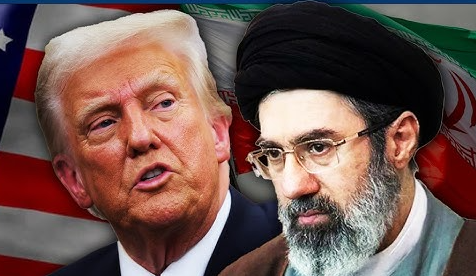
The United States and Iran are reportedly moving toward talks aimed at restoring an interim ceasefire agreement, with negotiators exploring possible compromises related to one of the world’s most important energy shipping routes, the Strait of Hormuz.
According to reports highlighted by international observers, including information shared by the X @coinbureau account, officials from both sides are considering a framework that could reduce tensions while addressing disputes over maritime activity in the strategically important waterway.
The reported discussions come amid growing international concern over stability in the Middle East and the potential impact of regional tensions on global energy markets and commercial shipping.
The Strait of Hormuz, located between Iran and Oman, is one of the most critical maritime bottlenecks in the world. A significant portion of global oil shipments pass through the narrow waterway, making any disruption a major concern for energy markets and international trade.
Under the reported proposal, Iran would maintain a role in overseeing the movement of ships through the strait, while commercial shipping would face fewer restrictions compared to previous tensions.
The potential deal reflects efforts by negotiators to find a middle ground between security concerns raised by Iran and demands for greater freedom of navigation by the international community.
The discussions come after periods of heightened tension between Washington and Tehran, during which concerns grew about military clashes, sanctions and disruptions to maritime traffic.
A temporary ceasefire framework could give both sides the opportunity to reduce immediate risks while broader negotiations on unresolved issues continue.
The United States and Iran have a long history of diplomatic disputes, particularly related to nuclear policy, economic sanctions, regional influence and security concerns.
Although direct relations between the two countries have remained complicated for decades, past negotiations have shown that limited agreements can sometimes be reached when both sides face pressure to avoid escalation.
The Strait of Hormuz remains the center of many regional security debates due to its importance to global energy supplies.
Millions of barrels of crude oil and petroleum products pass through the waterway every day, connecting major producers in the Middle East with markets in Asia, Europe and other regions.
Any significant disruption in the strait could create immediate effects on oil prices, shipping costs and global economic conditions.
For this reason, governments, energy companies and financial markets are closely monitoring developments involving Iran and the waterway.
Reported ceasefire talks indicate that both sides may have an interest in reducing tensions. A more stable maritime environment could benefit commercial shipping operators and help prevent further economic uncertainty.
For Iran, maintaining influence over the Strait of Hormuz has historically been a major strategic priority. The country views the waterway as an important part of its regional security interests and economic position.
For the United States and its allies, ensuring freedom of navigation remains a key objective due to the importance of international trade routes.
The proposed compromise would attempt to balance these competing interests by allowing Iran a role in monitoring vessel movements while reducing barriers to commercial shipping.
However, analysts warn that significant challenges remain before any deal can be finalized.
Negotiations involving the United States and Iran often face difficulties due to deep political disagreements and limited trust between the two governments.
Even temporary agreements require careful coordination, verification mechanisms and commitments from both parties.
The situation also carries broader geopolitical implications. Stability in the Persian Gulf and the Strait of Hormuz affects not only the countries in the region but also the main economies that depend on energy imports.
A reduction in tensions could provide relief to global markets that have been sensitive to geopolitical risks.
 |
| Source: Xpost |
Oil traders typically react quickly to events affecting major energy-producing regions. Even the possibility of conflict near important shipping routes can influence market expectations and prices.
A successful interim ceasefire could reduce concerns about potential supply disruptions and help stabilize energy markets.
However, the failure of the negotiations could lead to renewed uncertainty and greater pressure on oil prices.
The Strait of Hormuz has been the focus of previous international disputes, with incidents involving commercial vessels, military operations and diplomatic clashes raising concerns about maritime security.
Due to its strategic importance, any deal affecting the waterway would likely attract the attention of countries around the world.
Shipping companies would closely evaluate the details of any new agreement, including safety guarantees, navigation rules and enforcement mechanisms.
Commercial operators generally prefer predictable and stable conditions because uncertainty can increase insurance costs and operating expenses.
The reported proposal could represent an attempt to create a temporary solution while allowing longer-term diplomatic discussions to continue.
Historically, these interim agreements have been used in international negotiations to reduce immediate tensions and create conditions for broader discussions.
For global investors and markets, the key question will be whether the deal can create lasting stability or only provide a short-term reduction in tensions.
Middle East conflicts have often shown that temporary calm can change quickly if underlying disagreements remain unresolved.
Possible ceasefire discussions also highlight the importance of diplomacy in managing international security challenges.
While military capabilities remain an important factor in regional politics, diplomatic negotiations often play a crucial role in preventing escalation and protecting economic interests.
A compromise involving the Strait of Hormuz would represent a significant advance because it directly affects one of the most important trade routes in the world.
The deal could also influence future discussions between Iran and Western countries on broader issues, although important differences remain.
The international community is likely to continue to monitor developments closely as negotiators try to find common ground.
For energy markets, shipping companies and governments, stability in the Strait of Hormuz remains a key priority.
The outcome of the discussions could have implications beyond the immediate ceasefire issue, potentially affecting regional diplomacy, global energy security and international trade.
As negotiations continue, officials will face the difficult task of balancing national interests with the need to maintain stability in a strategically important region.
The possibility of a provisional ceasefire between the United States and Iran represents a possible move away from confrontation and toward diplomatic engagement.
However, the success of any agreement will depend on whether both sides can maintain their commitments and build enough trust to support continued negotiations.
For now, markets and authorities are closely watching how discussions over the Strait of Hormuz develop.
The coming weeks could provide important signals about whether the region is moving towards greater stability or whether existing tensions will continue to shape international relations.
hoka.news – not just cryptocurrency news. It’s cryptoculture.
Writer @Victoria
Victoria Hale is a writer focused on blockchain and digital technology. It is known for its ability to simplify complex technological developments into clear, easy-to-understand and engaging-to-read content.
Through her writing, Victoria covers the latest trends, innovations and developments in the digital ecosystem, as well as their impact on the future of finance and technology. It also explores how new technologies are changing the way people interact in the digital world.
His writing style is simple, informative, and focuses on giving readers a clear understanding of the rapidly evolving world of technology.
Check out other news and articles on Google News
Disclaimer:
HOKA.NEWS articles are here to keep you up to date on the latest rumors in crypto, technology, and more, but they are not financial advice. We share information, trends and knowledge, we don’t tell you to buy, sell or invest. Always do your own homework before making any money moves.
HOKA.NEWS is not responsible for any loss, profit or chaos that may occur if you act on what you read here. Investment decisions should arise from your own research and, ideally, the guidance of a qualified financial advisor. Remember: cryptocurrencies and technology move fast, information changes in the blink of an eye, and while we strive for accuracy, we cannot promise that it is 100% complete or up-to-date.

