


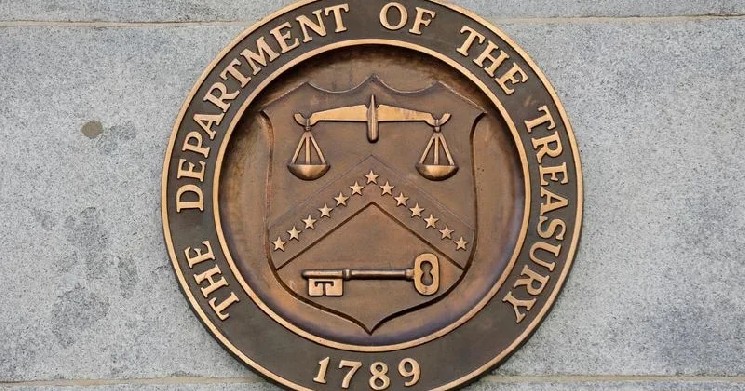
The US Treasury’s Financial Crimes Enforcement Network, better known as FinCEN, has just asked all banks across the country to keep their eyes wide open. The target: Iran’s Islamic Revolutionary Guard Corps and its increasingly sophisticated methods of circumventing U.S. sanctions through digital assets, front companies and complicit service providers.
The alert, issued on May 11, comes at a time when tensions between the United States and Iran are anything but calm. The FinCEN report estimates that Iranian digital asset activities linked to the government and IRGC entities could bring in billions annually.
What FinCEN actually warns about
The FinCEN alert focuses on the IRGC’s supply networks. Reported methods include the use of shell companies, which act as legitimate-looking businesses and redirect money to sanctioned entities.
The alert highlights obfuscated transactions, a technical way of saying that the IRGC and its affiliates use techniques to hide the origin, destination, and purpose of digital asset transfers. FinCEN has not named specific companies, tokens or exchanges involved.
Iran’s long history of evading sanctions using cryptocurrencies
Iran has been mining digital assets to circumvent economic restrictions since at least 2019. Early efforts included state-sponsored Bitcoin mining, using subsidized electricity to generate cryptocurrencies that could be spent internationally without touching the traditional banking system. Reports from that era also noted the use of coin mixing services including Tornado Cash, tools that aggregate and redistribute crypto to make individual transactions harder to trace.
Over time, shell companies became more sophisticated. Service providers, including brokers and over-the-counter trading desks, have apparently started facilitating larger volumes.
Illicit flows of digital assets worldwide are expected to exceed $15 billion, and state actors like Iran account for a significant portion of that total. The IRGC has been designated a terrorist organization by the United States since 2019 and has notable reach in the construction, telecommunications and energy sectors.
What this means for banks, exchanges and investors
For traditional banks, FinCEN’s message is simple: Compliance teams should review transactions involving shell companies in jurisdictions typically associated with Iranian commerce, monitor unusual trends in digital asset conversions, and report relationships with service providers that have opaque ownership structures.
For crypto exchanges and digital asset platforms, the notice effectively warns them that the US government considers them part of the enforcement chain. Platforms that wish to operate in the US market or serve US customers should consider these reviews required reading.
For investors, every time FinCEN highlights state-sponsored sanctions evasion via crypto, it strengthens the case for stricter oversight of digital asset platforms, which potentially means more KYC requirements, more transaction monitoring, and more friction for ordinary users.

