


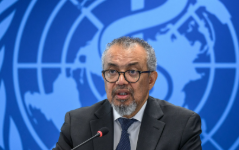
WHO continues to closely monitor Ebola risks
The World Health Organization (WHO) continues to closely monitor the status of Ebola virus disease as global health authorities remain alert to potential outbreaks and risks of localized transmission in affected regions.
While Ebola is not currently considered a global pandemic threat, health officials regularly assess outbreak patterns, response capacity, and containment measures in regions where the virus has historically emerged.
Ebola is a serious and often fatal disease in humans, transmitted through direct contact with infected body fluids or contaminated materials. Due to their high mortality rate in certain outbreaks, even localized outbreaks require rapid international coordination.
Global health surveillance remains active
WHO works alongside national health ministries and regional disease control centers to track infectious disease threats, including Ebola.
Surveillance systems are designed to detect early signs of outbreaks, allowing health authorities to respond quickly with containment strategies such as isolation, contact tracing and vaccination campaigns where appropriate.
In past outbreaks, rapid response measures have played a critical role in limiting spread and preventing broader transmission beyond affected communities.
Ebola response measures
When Ebola cases are identified, international health protocols typically include a combination of medical and logistical interventions.
These measures often involve isolating confirmed cases, monitoring people who may have been exposed, and deploying medical teams trained in infectious disease control.
 |
| Source: Xpost |
Vaccination has also become an important tool in recent years, with specific immunization strategies used in high-risk regions to help reduce transmission.
Health organizations emphasize that early detection and coordinated response remain the most effective methods to control outbreaks.
Regional risk factors
Historically, Ebola outbreaks have been concentrated in parts of central and western Africa, where zoonotic transmission from animal reservoirs to humans can occur under specific environmental conditions.
Factors such as population movement, health infrastructure limitations, and delayed reporting can contribute to the spread of infection during localized outbreaks.
However, international preparedness efforts have improved significantly over the past decade, reducing the likelihood of large-scale global spread.
Importance of communication in public health
Public communication plays a key role in managing disease outbreaks, particularly in preventing misinformation and panic.
Health authorities emphasize the importance of trusting verified updates from official sources such as the WHO and national health agencies.
Clear and accurate communication helps communities understand risks, follow safety guidelines, and cooperate with containment efforts.
Global Preparedness Framework
The WHO maintains a global framework for responding to infectious disease outbreaks, including Ebola.
This framework includes emergency response teams, laboratory support networks, and coordination mechanisms with governments and humanitarian organizations.
These systems are designed to ensure rapid mobilization of resources when outbreaks occur, reducing the time between detection and intervention.
Lessons from previous outbreaks
Previous Ebola outbreaks have highlighted the importance of early intervention, community participation and international cooperation.
In several cases, delays in detection and response contributed to wider spread, while rapid action helped to effectively contain transmission in subsequent outbreaks.
These experiences have shaped current global health strategies and improved preparedness for future incidents.
Continuous surveillance
Health officials continue to emphasize that surveillance remains essential even when outbreak levels are low.
Continuous monitoring allows authorities to detect changes in transmission patterns and respond before the situation worsens.
WHO and partner organizations regularly update guidelines based on evolving scientific data and reports from the field.
Conclusion
The World Health Organization continues to monitor Ebola as part of its broader global infectious disease surveillance efforts.
While no verified global emergency has been confirmed, health systems remain alert to potential outbreak risks and prioritize rapid response capabilities in affected regions.
Constant surveillance, early detection and coordinated international action remain critical to preventing the spread of Ebola and other infectious diseases.
hoka.news – not just cryptocurrency news. It’s cryptoculture.
Writer @Victoria
Victoria Hale is a writer focused on blockchain and digital technology. It is known for its ability to simplify complex technological developments into clear, easy-to-understand and engaging-to-read content.
Through her writing, Victoria covers the latest trends, innovations and developments in the digital ecosystem, as well as their impact on the future of finance and technology. It also explores how new technologies are changing the way people interact in the digital world.
His writing style is simple, informative, and focuses on giving readers a clear understanding of the rapidly evolving world of technology.
Disclaimer:
HOKA.NEWS articles are here to keep you up to date on the latest rumors in crypto, technology, and more, but they are not financial advice. We share information, trends and knowledge, we don’t tell you to buy, sell or invest. Always do your own homework before making any money moves.
HOKA.NEWS is not responsible for any loss, profit or chaos that may occur if you act on what you read here. Investment decisions should arise from your own research and, ideally, the guidance of a qualified financial advisor. Remember: cryptocurrencies and technology move fast, information changes in the blink of an eye, and while we strive for accuracy, we cannot promise that it is 100% complete or up-to-date.

